| Dates | 23 May to 30 May 2027 |
| Location | East Germany |
| Tour organiser | Charles Aldington |
| Assisted by | Regine Aldington |
| Difficulty rating | Level 2: Easy with mostly longer walks (1–2 hours), and occasional uneven ground |
| Max. participants | 25 |
Send to: Charles Aldington
Send to: Charles Aldington
Send to: Charles Aldington
A visit to hidden gems in Germany’s East, combining landscaping and botanical interests.
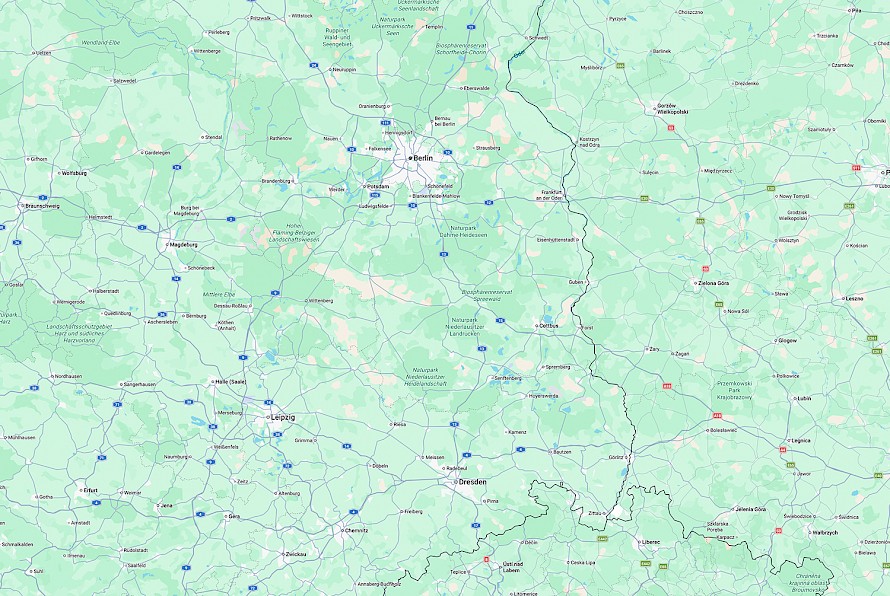
We will see propagation to ensure the maintenance of historic landscapes, together with trials for a changed climate, together with a large number of champions in three great arboreta. And we will see the great landscapes laid out in the eighteenth and nineteenth centuries by Princes Pückler and Anhalt-Dessau, two of which are World Heritage Sites. Between these we will have a day to explore Dresden, concluding with a dinner at a private house with its own vineyard overlooking the Elbe.
Assembly point
Seehotel Rangsdorf, situated on a lake 20 minutes south of Berlin airport in a taxi.
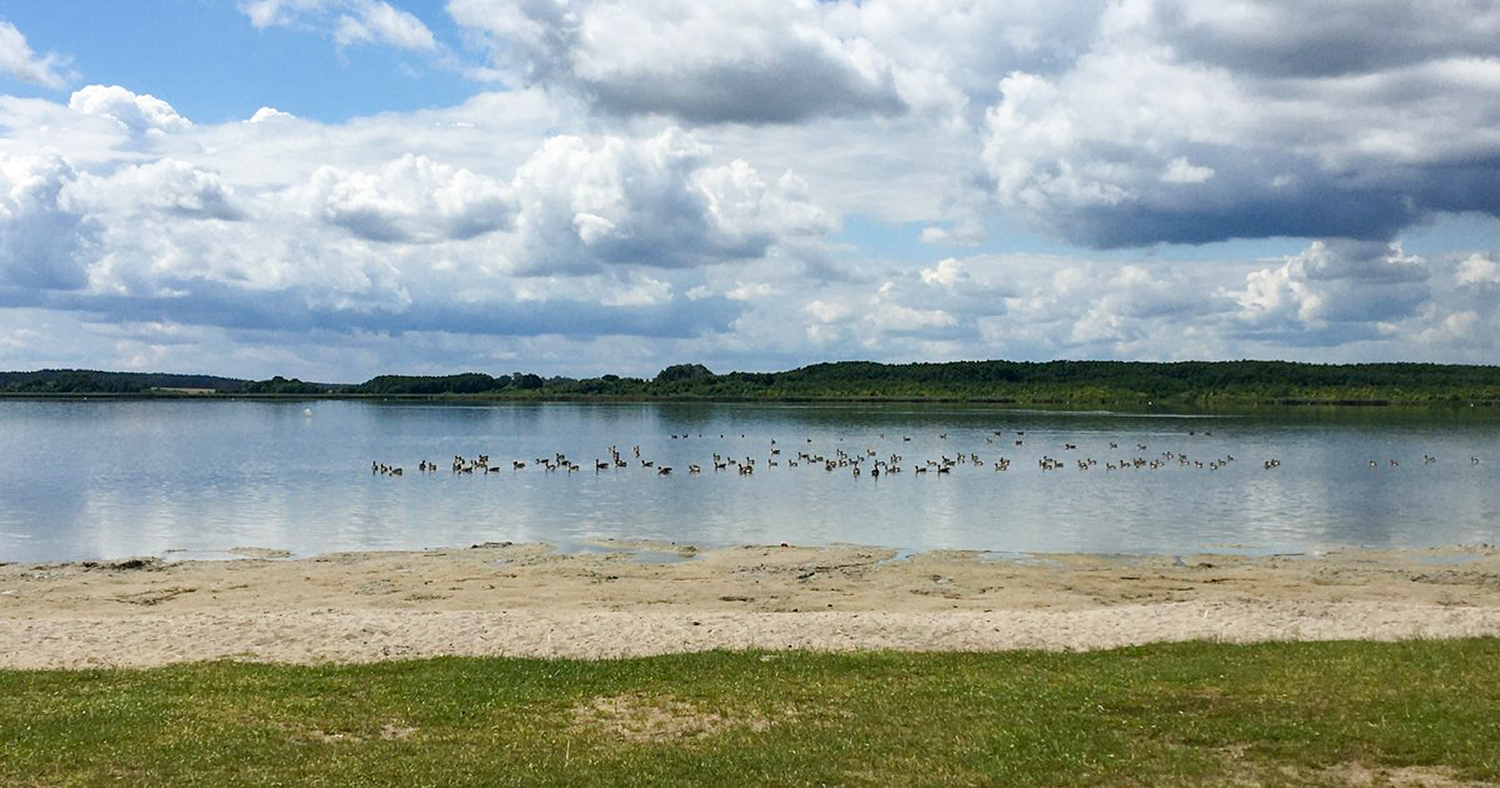
Rangsdorfer See © Lars Lehmann
Am Strand 1
15834 Rangsdorf
Tel. +49 33708 92880.
Website: https://www.see-hotel-berlin.de/en/
Drinks and dinner from 19.00
Branitz
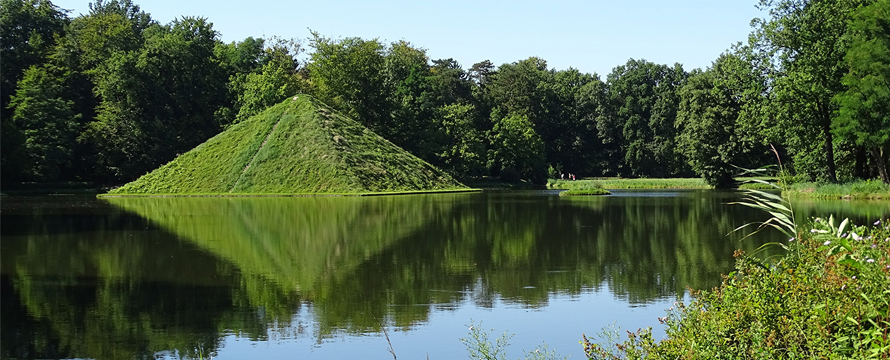
In the early nineteenth century Hermann Prince Pückler, influenced by travel in England and Ireland, placed trees and laid out paths in countryside with natural water, to create two of the world’s greatest landscapes. We drive to Branitz which was the second of these, commenced in 1855.
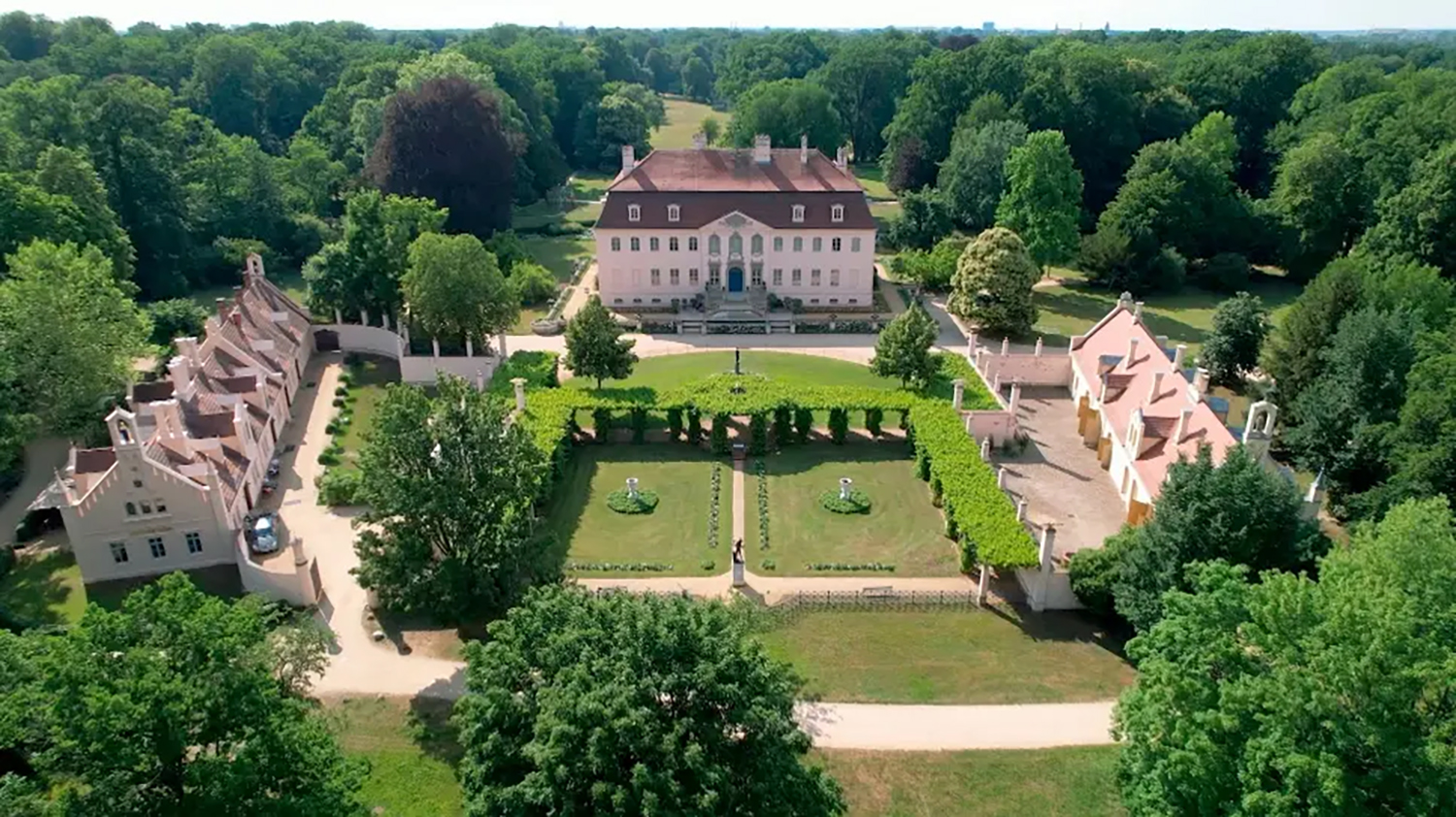
Pückler Museum Park and Schloss Branitz © Rundfunk Berlin-Brandenburg
We arrive to be given a talk and tour at the Baumuni (Tree university) a centre for propagation in joint venture with the Humboldt University in Berlin. Its focus is on replicating local natives and on trees for a changing climate.
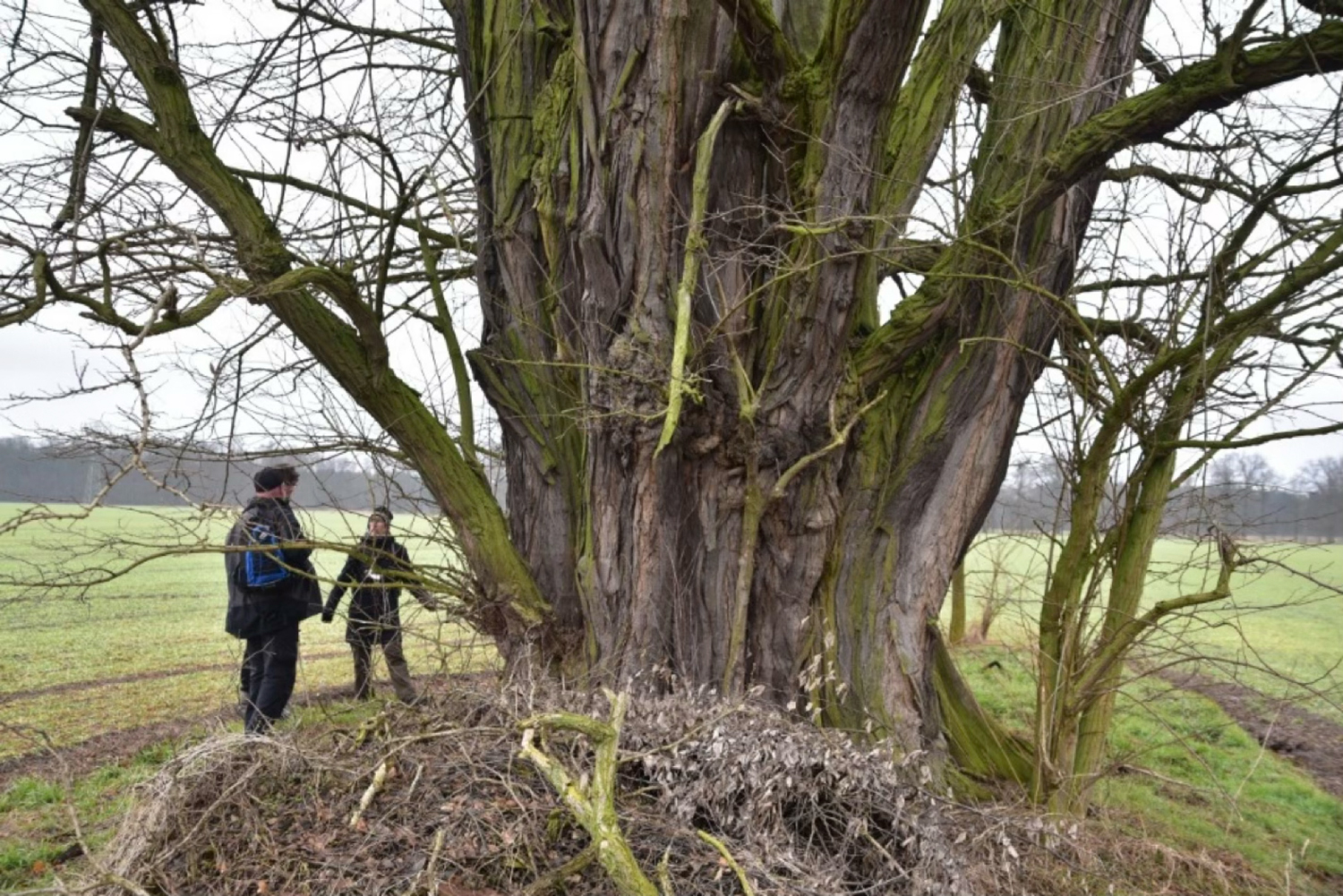
Robinia pseudoacacia © Charles Aldington
On the way to the main park we will see a champion Robinia pseudoacacia. After lunch we will be guided around the landscape, being shown the native planting forming its intricate network of views, the waters and the burial pyramids. A small number of exotics survive in the pleasure garden.
We drive the short distance to Bad Muskau where we spend the night.
Bad Muskau
Bad Muskau is a World Heritage site. It was Pückler’s first great landscape which he began in 1816 aged 31; six years later John Adey Repton came out to advise. Pückler’s head gardener was the grandfather of Alfred Rehder the great dendrologist at the Arnold Arboretum.
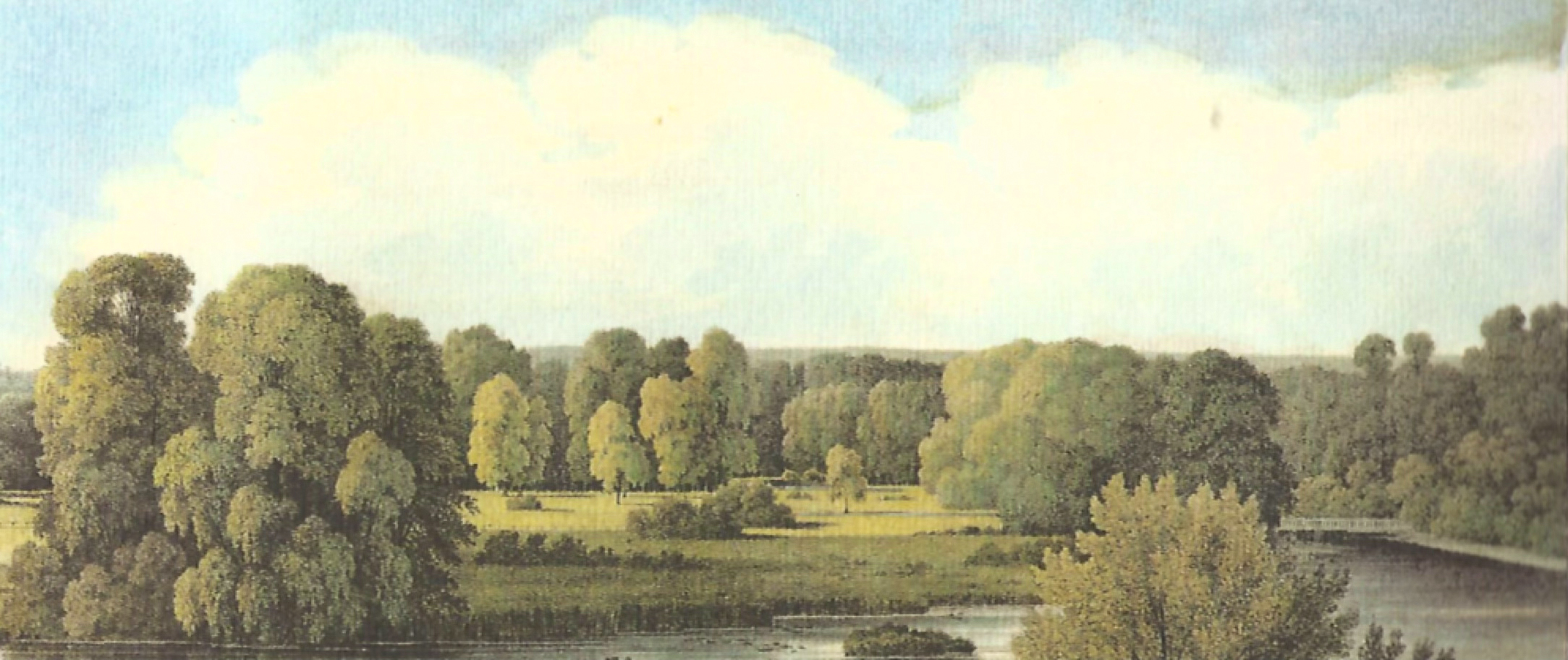
Plate XXII from Andeutungen uber Landschaftsgärtnerei, Hermann Pückler, 1832
The estate was vast, stretching across the Neisse River, defined at the Yalta conference as the future border today between Germany and Poland. Its interest lies in the spectacular way Pückler and his wife used the water and the terrain largely planting natives.

Park and Schloss Bad Muskau © World Heritage Education
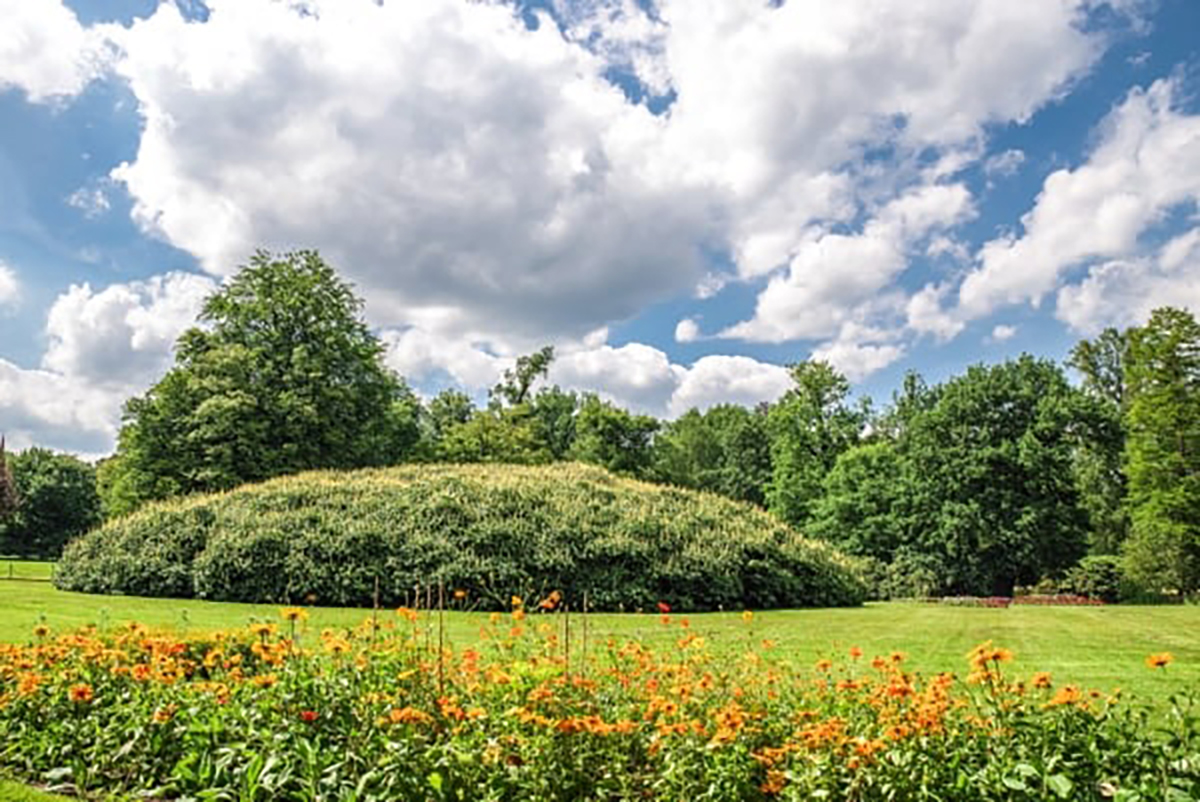
Aesculus parviflora, Bad Muskau © Frank Gyssling (monumentaltrees.com)
Starting from the hotel we will walk through the German side, passing a champion Aesculus parviflora, before crossing the river and going up through the more forested Polish side.
After lunch in the Schloss café there will be time to visit the greenhouses where pineapples are successfully grown and the museum. We then drive to Dresden, where we spend three nights.

Pineapples growing at Bad Muskau; Sächsische Zeitung © Sabine Larbig
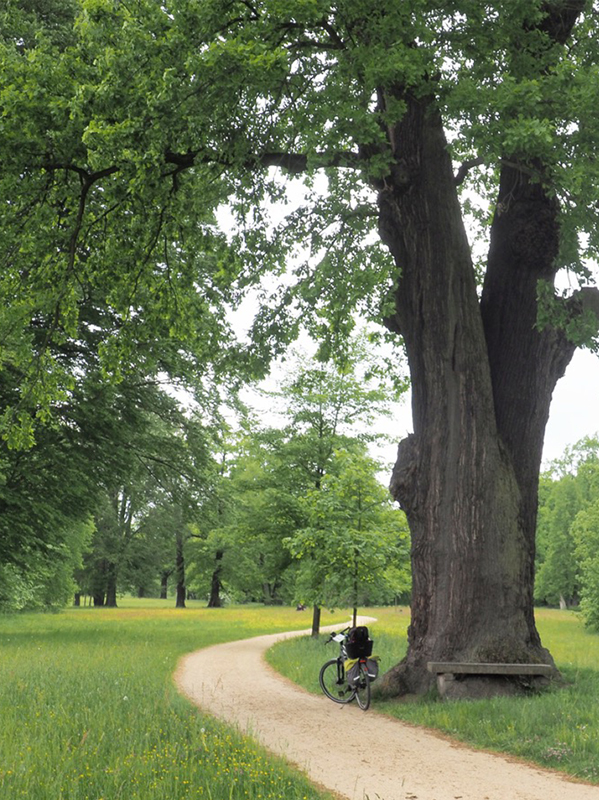
Champion Quercus robur, Bad Muskau © Nationalerbe.de
Dresden Grosser Garten and Pillnitz
We enter the land of national champions, beginning with the Grosser Garten in Dresden. Once royal, it was opened to the public and anglicised from 1815, while leaving the formal arteries. It and Pillnitz then benefitted from the botanical passion of two successive kings.
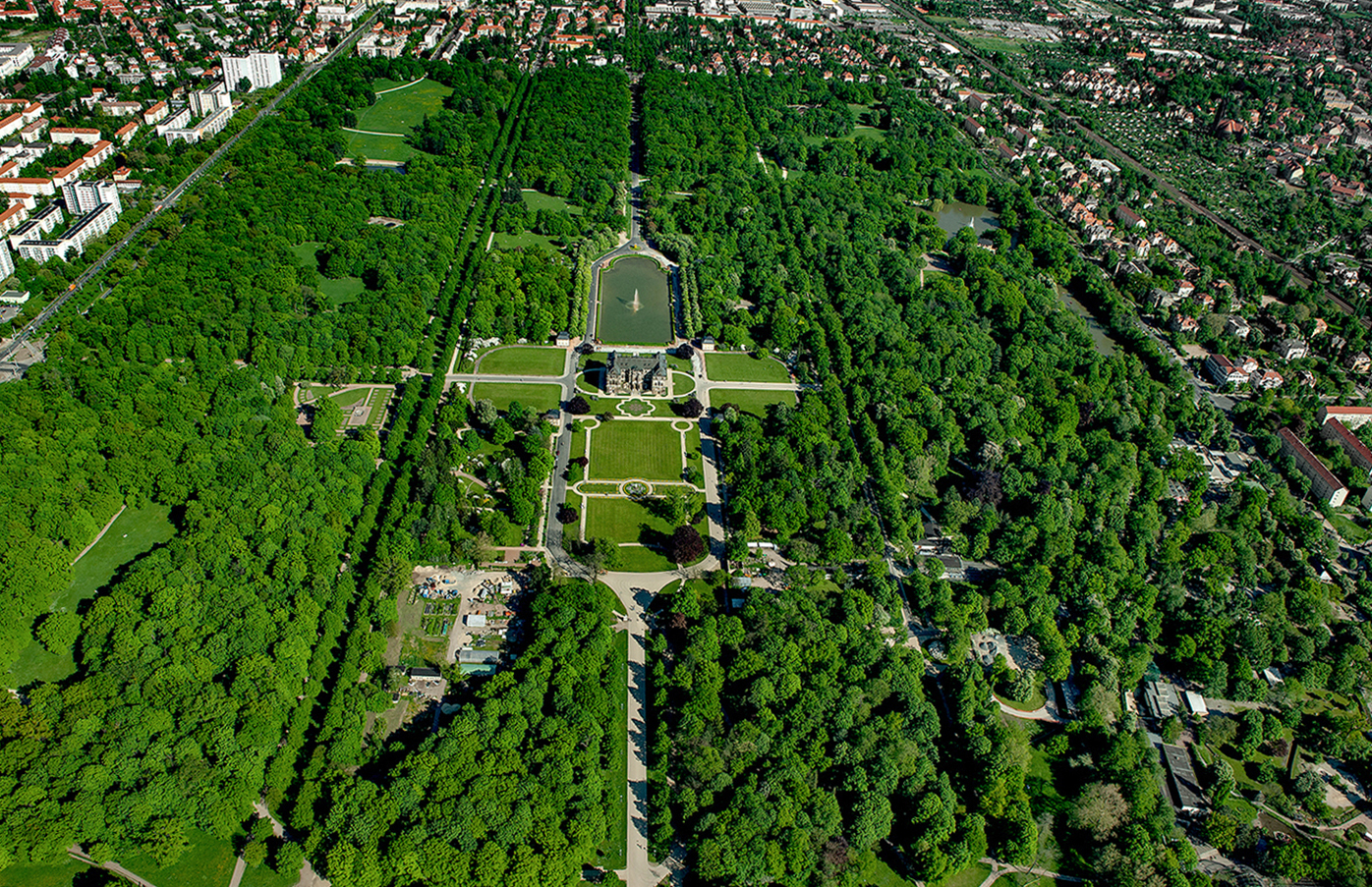
Großer Garden in Dresden © Peter Schubert
One of our guides will be Rudolf Schröder who as a boy experienced the bombing in February 1945, and has devoted his life to caring for the trees here and in Pillnitz. The champions we will see include Prunus, Ulmus, Acer, Gingko, Catalpa and Amelanchier; we will also see a Gymnocladus which reemerged naturally after bomb damage.
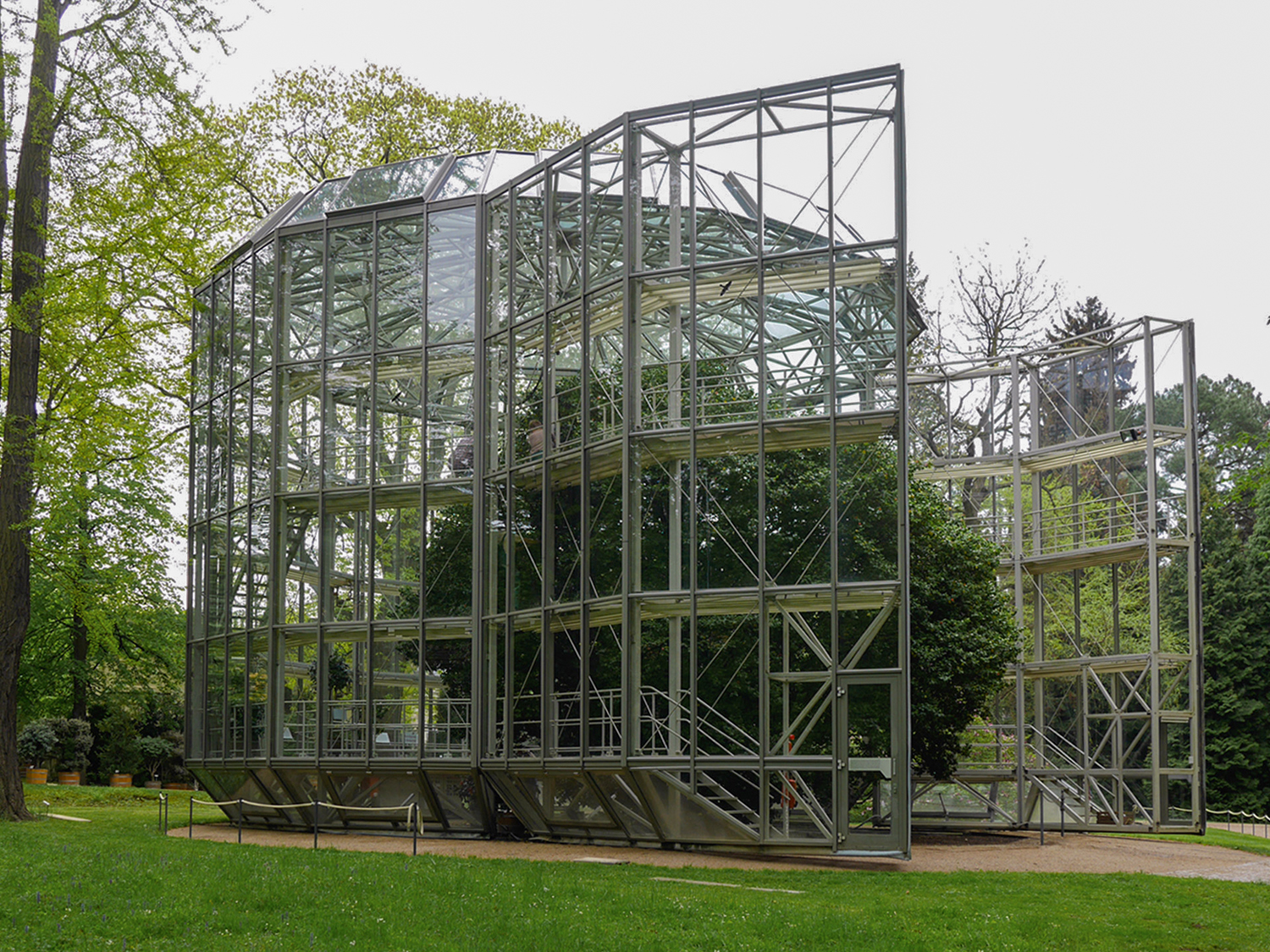
Camellia Haus Pillnitz © Schloss Pillnitz
In the afternoon we visit Pillnitz which has 28 champions, including a Betula nigra, a Quercus macranthera, seven Chamaecyparis species, two Picea, three Tsuga and three Taxus. To their side is one of the Continent’s three original camellias from the eighteenth century, which is possibly descended from Petre’s first import to England in the 1730s; its greenhouse is on rails to be moved out in the summer.
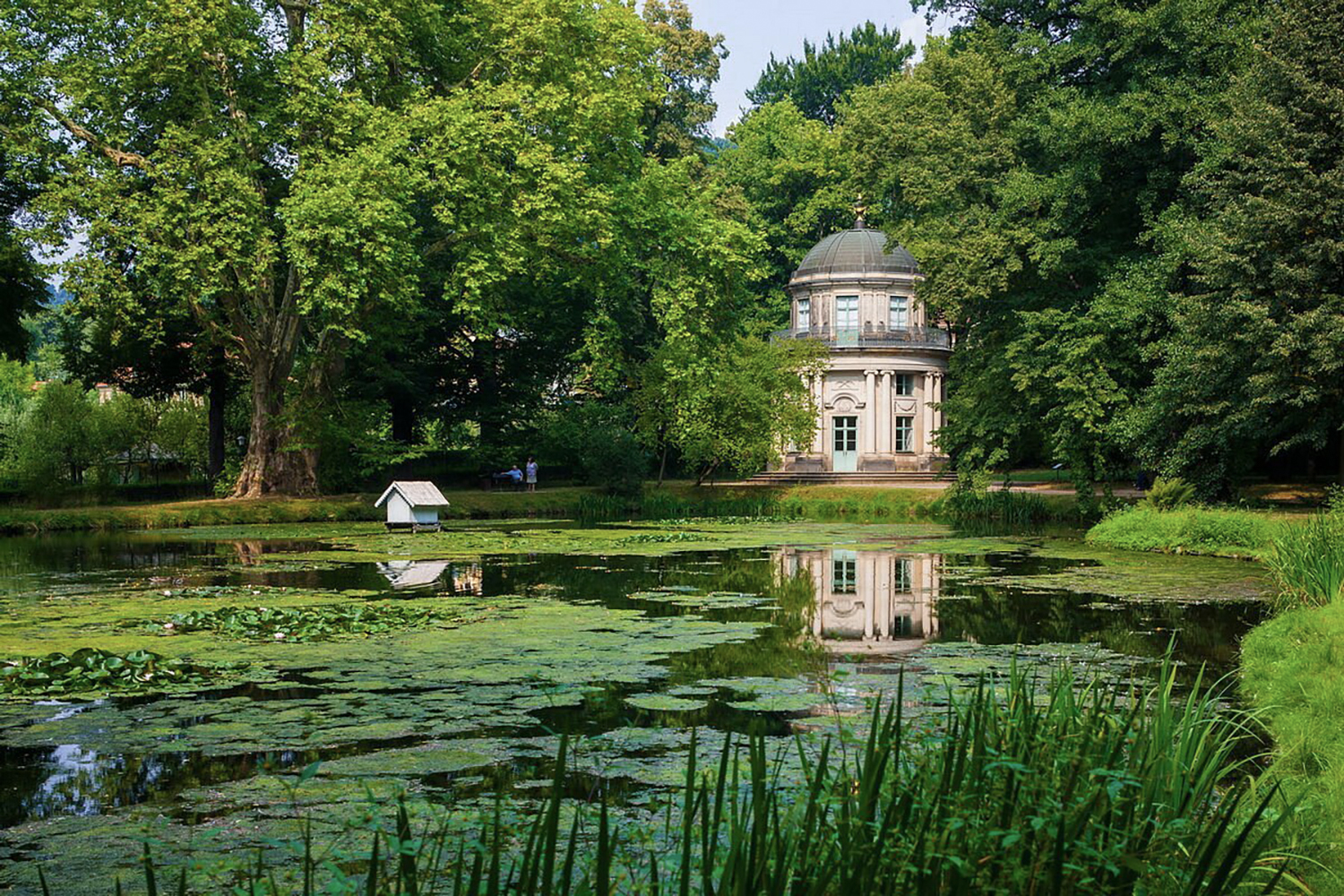
The English Pavilion in Pillnitz Park © Sylvio Dittrich
Dresden City
A day for the cultural jewels of Dresden. In the morning we will have a guided walking tour of the city centre, starting with the rebuilt Frauenkirche in front of our hotel, whose cross was presented by the Duke of Kent in memory of the February 1945 bombing. We will finish in the extraordinary Porcelain Museum before lunch. Thereafter everyone is free to go into whichever of the great collections takes their fancy.

Porcelain Bouquet of Flowers, 1749 © Porcelain Collection, Dresden State Art Collections

Model for an Equestrian Monument for King Augustus III of Poland © Jürgen Loesel
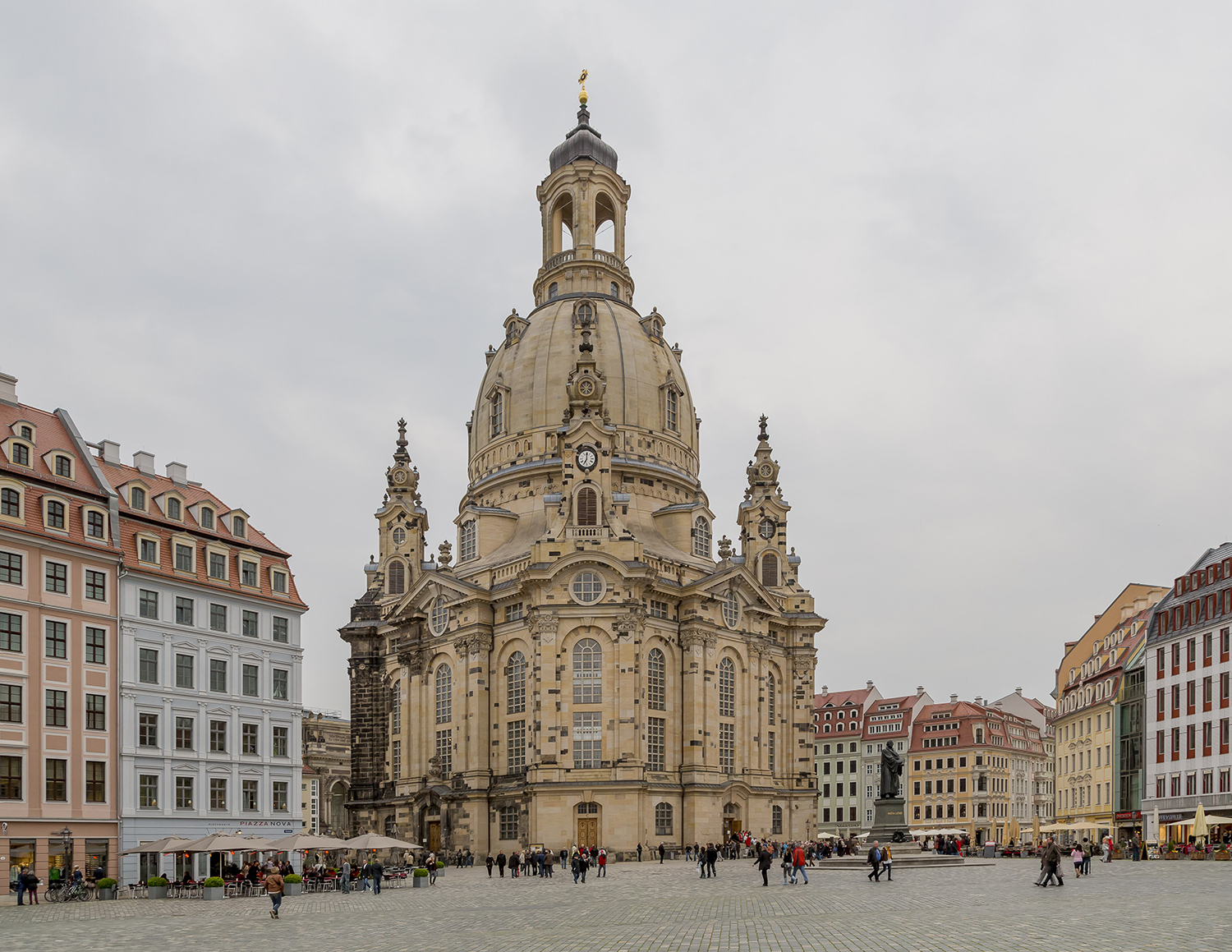
Frauenkirche, Dresden © CEphoto, Uwe Aranas
In the evening we will be the guests of Christoph and Caroline Hollenders on Dinglingers Weinberg, their eighteenth-century home overlooking its own vineyard and the Elbe.
Tharandt
We leave Dresden to spend the day at the arboretum of Tharandt, which has no less than 128 champions covering 50 genera. The arboretum is in two sections and we will be guided by the present and previous Custos, both senior officers in the German Dendrological Society.
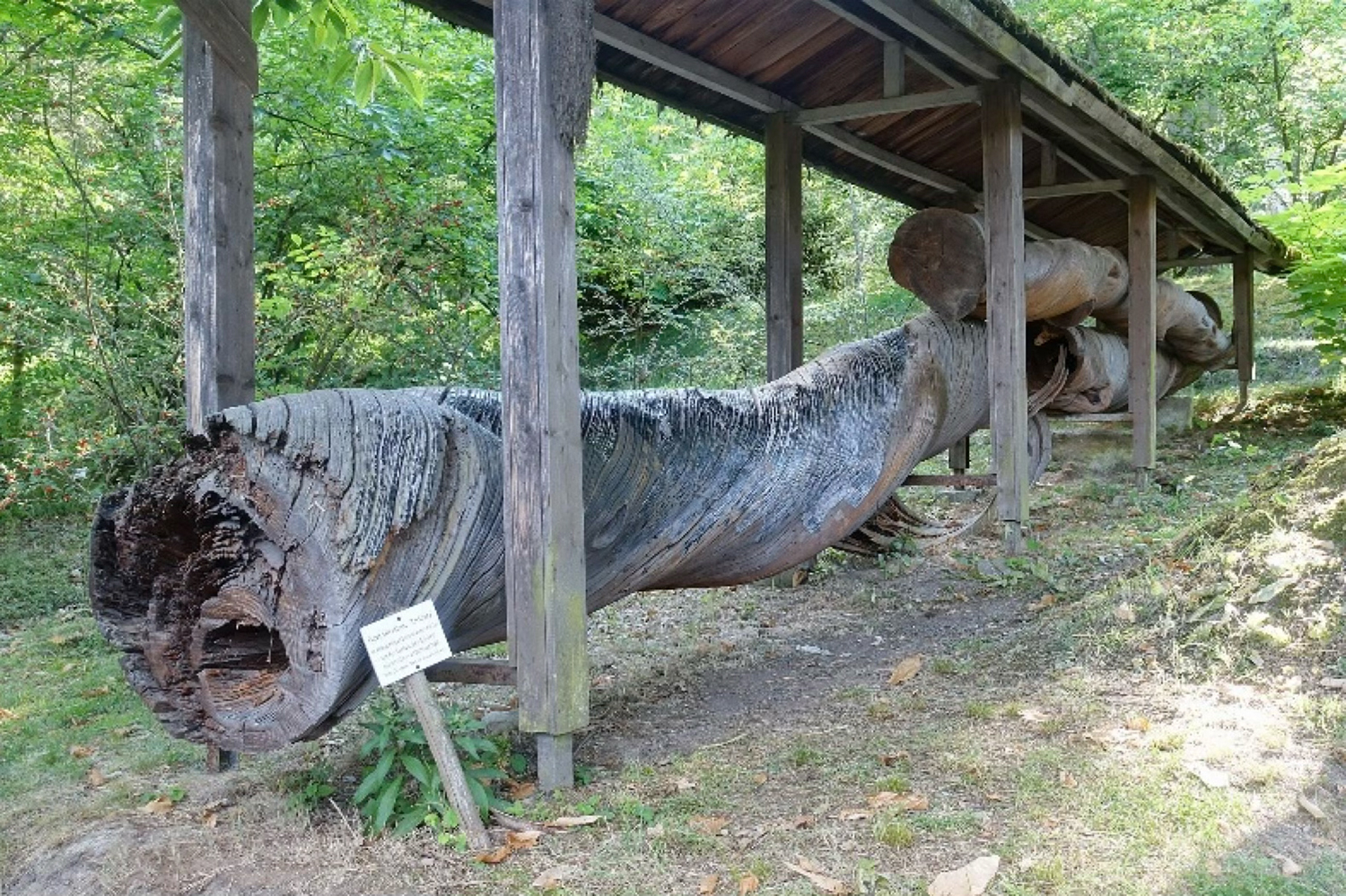
The trunk of a 150-year-old Pinus sylvestris with spiral growth; © Kubsch / Euroregion Elbe Labe
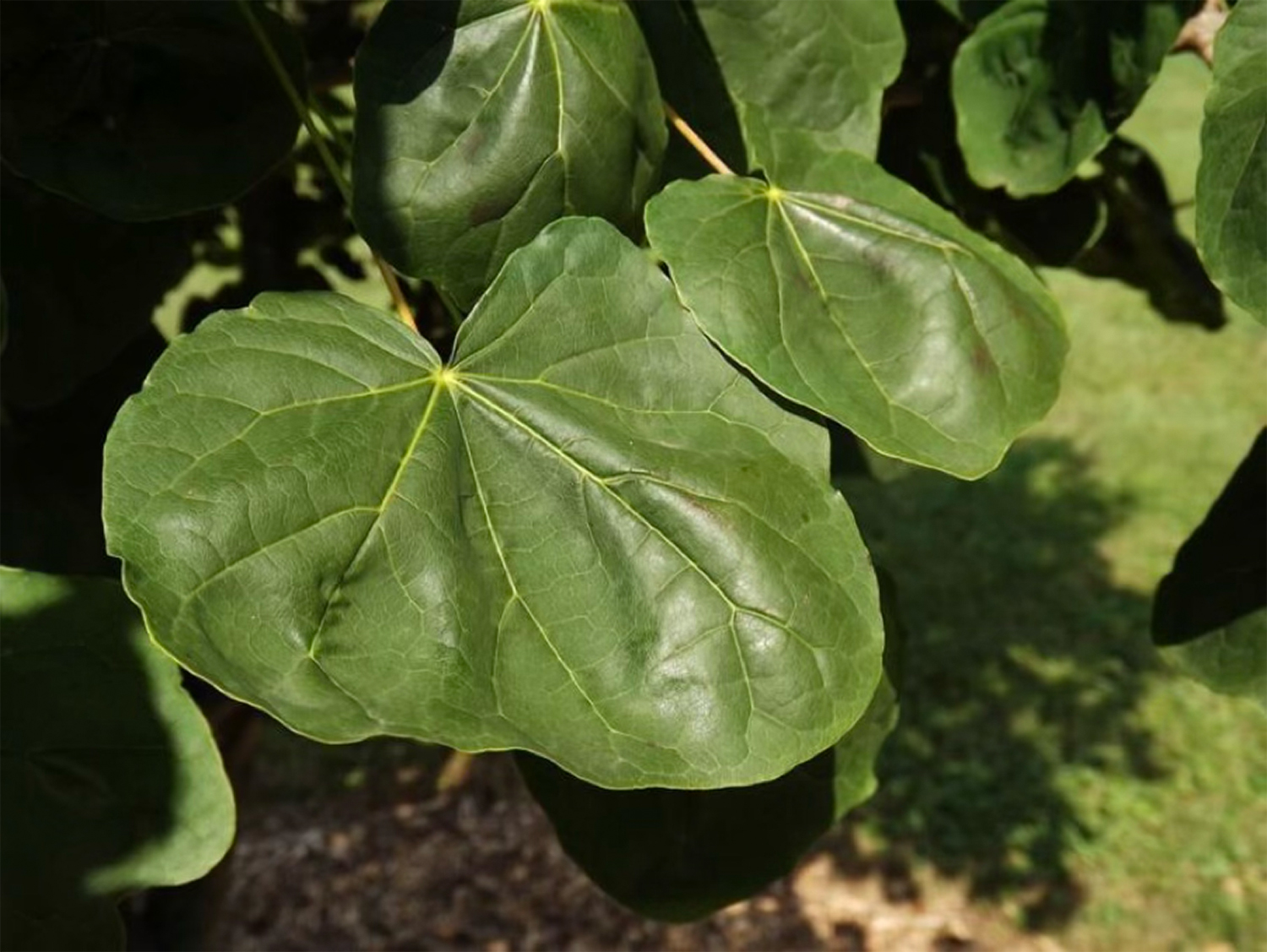
Acer platanoides ‘Tharandt’ © Michael E. Ecker
In the morning, we will visit the historical part, founded in 1811 to support a private forest training institution, which became part of the Dresden Technical University in 1929. That part is largely natives. On top of the hill is the American part which we will see after a quick lunch. It goes back to 1952 and is intended as an experiment to see which American trees might flourish in Germany, with an eye to forestry, amenity and city planting.
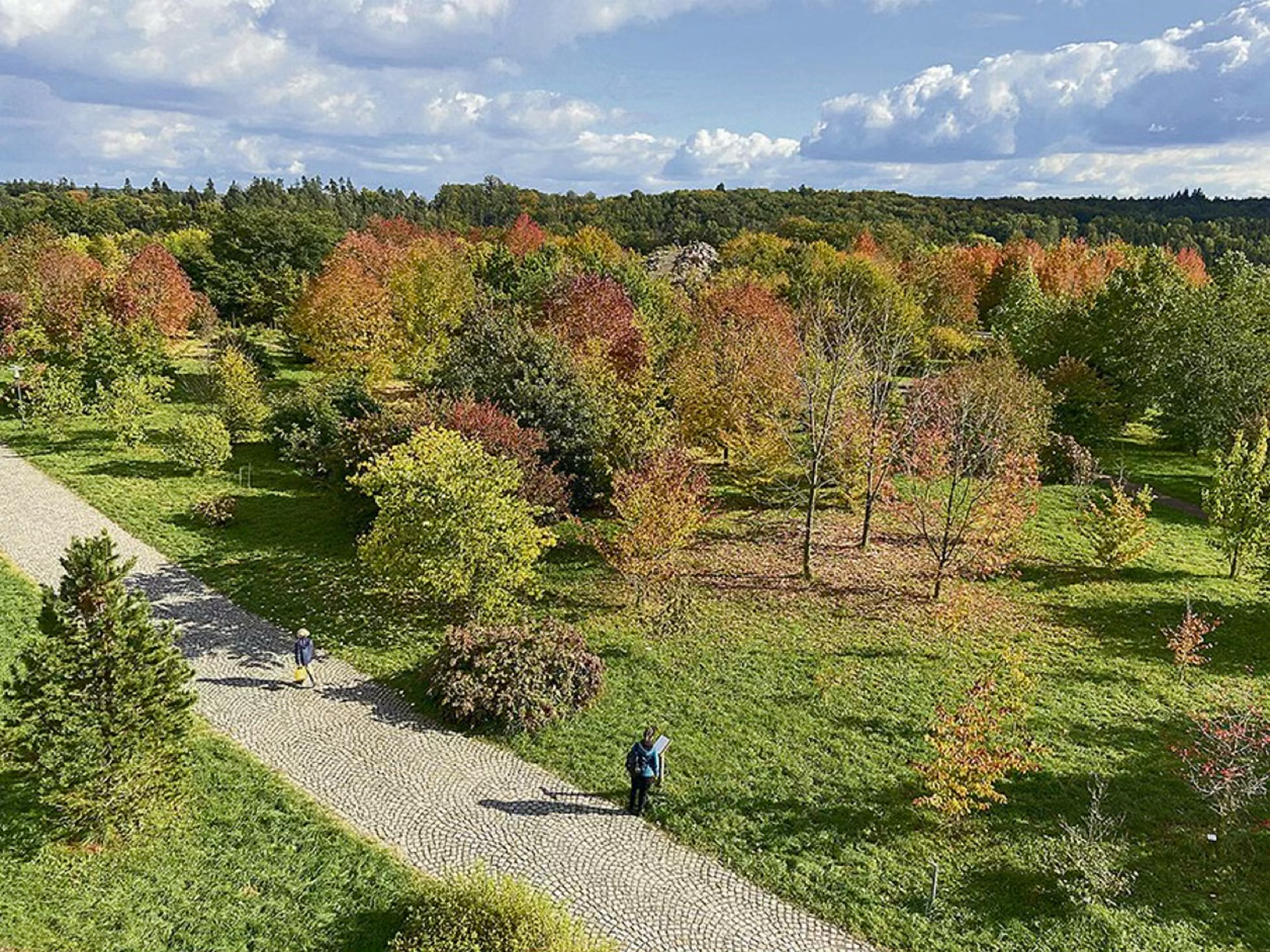
Tharandt Arboretum-GEOPARK Sachsens Mitte © Gunter Fichte
We then drive to Wörlitz near Dessau, where we spend two nights.
Wörlitz
Wörlitz was created on the Elbe floodplain by Prince Franz von Anhalt-Dessau from 1765. It was modelled on what he had seen in Italy and England, particularly Painshill, whence he took the idea of combining economy with aesthetics. Today it is a World Heritage Site and a superb example of a pre-Repton English style landscape garden.
Beginning with a short walk from the hotel to the Stein island, we will be given an introductory talk in the Grotto. Above it is the recently restored jewel of the Hamilton House modelled on Sir William’s original in Posilippo, near Naples. From there we will be rowed with our guides around the Schoch island, which will be the focus of our tour in the afternoon.

View of the Temple of Venus in the enchanting Wörlitz Park © Dessau-Wörlitz Cultural Foundation/Image Archive © Heinz Fräßdorf

The Gotisches Haus (Gothic House) in the Wörlitzer Park © gartenreich.de
The original planting included some of the first Americans to be introduced into Germany, and was intended to frame the view of the Gothic House. A century later a wave of conifers were imported from the West Coast.
Crossing to the Neumarkt Island we will see the Rousseau island, built as a political statement. In the evening we will celebrate our farewell dinner in the old kitchen next to the Schloss.

Rousseau Island, Wörlitz Park © M.H.de / Wikimedia CC BY SS 3.0
Return to Berlin airport
The bus will take us to Berlin airport to arrive by 12.00, in time for afternoon flights.
Some might like to make their own arrangements to visit neighbouring Dessau to see the Bauhaus and the Artists’ Houses.
| Location | East Germany |
| Tour dates, arrival | Sunday 23 May 2027 |
| Tour dates, departure | Sunday 30 May 2027 |
| Tour organiser | aps |
| Assisted by | Regine Aldington |
| Availability | Maximum number of participants: 25 |
| Accessibility | Walking difficulty: 2 (Easy with mostly longer walks (1–2 hours), and occasional uneven ground) |
| Tour cost | €2,600 per person (based on two people sharing) A deposit of €650 per person will be payable by 15 August 2026. |
| What’s included | All hotels, meals, transport and entrance and guiding charges and tips. Guide in Dresden plus entrance and guide to Porcelain Museum. |
| What’s not included | Alcohol at lunch and drinks beyond wine at dinner. Laundry, spa etc. in hotels. |