| Dates | 23 March to 31 March 2027 |
| Tour organiser | Greentours |
| Tour coordinator | Marie-Christine de Laubarède |
| Difficulty rating | 2/3 |
| Max. participants | 25 |
Send to: Marie-Christine de Laubarède
Send to: Marie-Christine de Laubarède
Send to: Marie-Christine de Laubarède
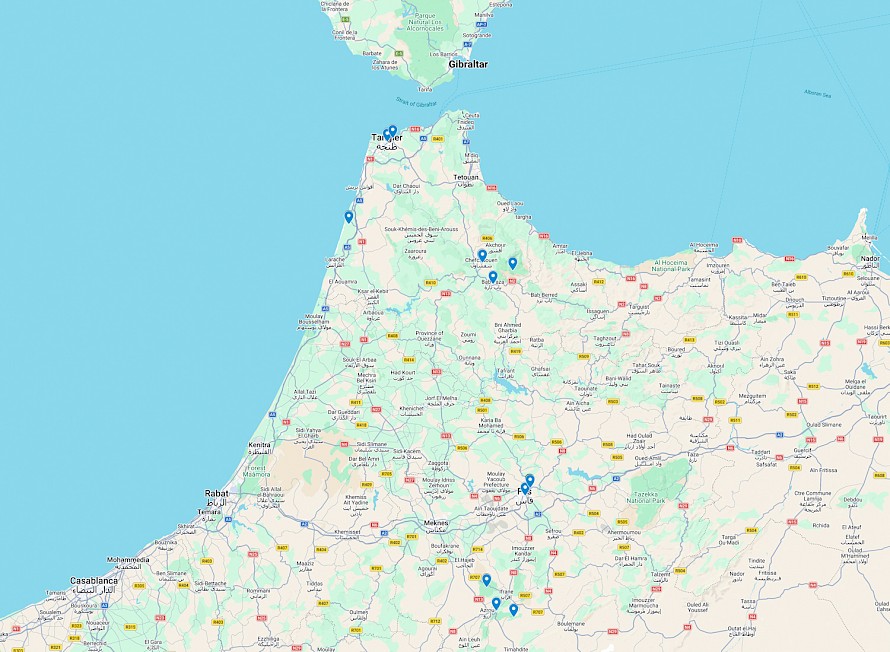
A journey from the shores of the blue Mediterranean to the snow-capped Atlas Mountains takes us through some of Morocco’s least-known – and perhaps surprisingly tree-filled – landscapes.
Umberto Pasti’s Rohuna Garden (featured in Gardens Illustrated) nestles in the countryside forty miles south of Tangier: a paradise of shady trees, tangled greenery, and jewel-like flowers that jostle together on terraces linked by meandering stone walls.
Chefchaouen, famed for its striking, blue-washed buildings, is our gateway to Talassemtane National Park, an area of high country that harbours most of the remaining Moroccan Fir and Black Pine forest in North Africa. Here we will explore atmospheric, gnarled oak woodlands reminiscent of Wistman’s Wood on Dartmoor.
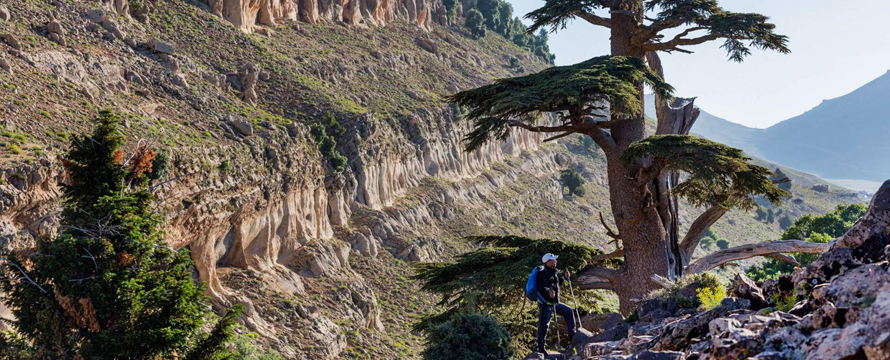
Ifrane National Park protects five hundred square kilometres of majestic cedar forests, rolling green hills, and mountainous terrain in the Middle Atlas Mountains. Often referred to as Morocco’s ‘Garden of Eden’, Ifrane offers contrasting scenes of marshy wetlands, cherry orchards, and alpine forests.
Tangier
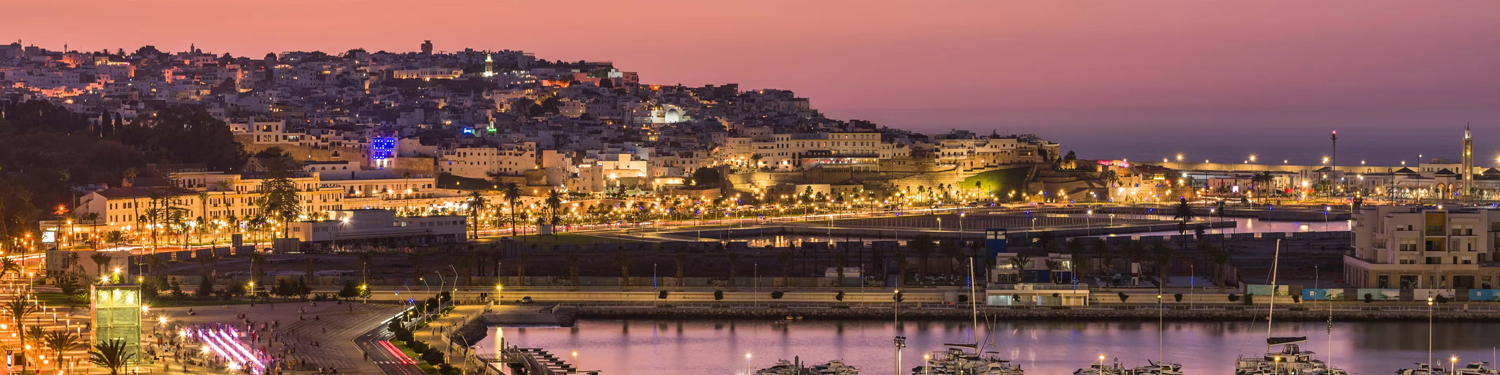
Arrival in Tangier
Welcome dinner
Overnight: Hotel Barceló, Tangier
Tangier: Umberto Pasti’s Gardens – Teborek Allah and Rohuna Garden
Umberto Pasti may be more famous in his native Milan for his books, but in northern Morocco it is his gardens and landscaping that have attracted attention. Teborek Allah, his enchanting house and garden in Tangier, is a living, growing, blossoming masterpiece. Much of this magic is thanks to Mohammed, Umberto’s devoted gardener of more than thirty-five years. Together they have created something far beyond a garden — a soul-stirring celebration of nature, nurture, and beauty in perfect harmony.
Umberto’s deepest passion, however, is Rohuna Garden, nestled in the countryside forty miles south of Tangier. Twenty years ago, he went for a long walk along this stretch of coast, climbing a stony hillside to look back at the magnificent Atlantic seascape. He recalls, “I fell asleep under a fig tree and woke up knowing that I had to come and live here.”
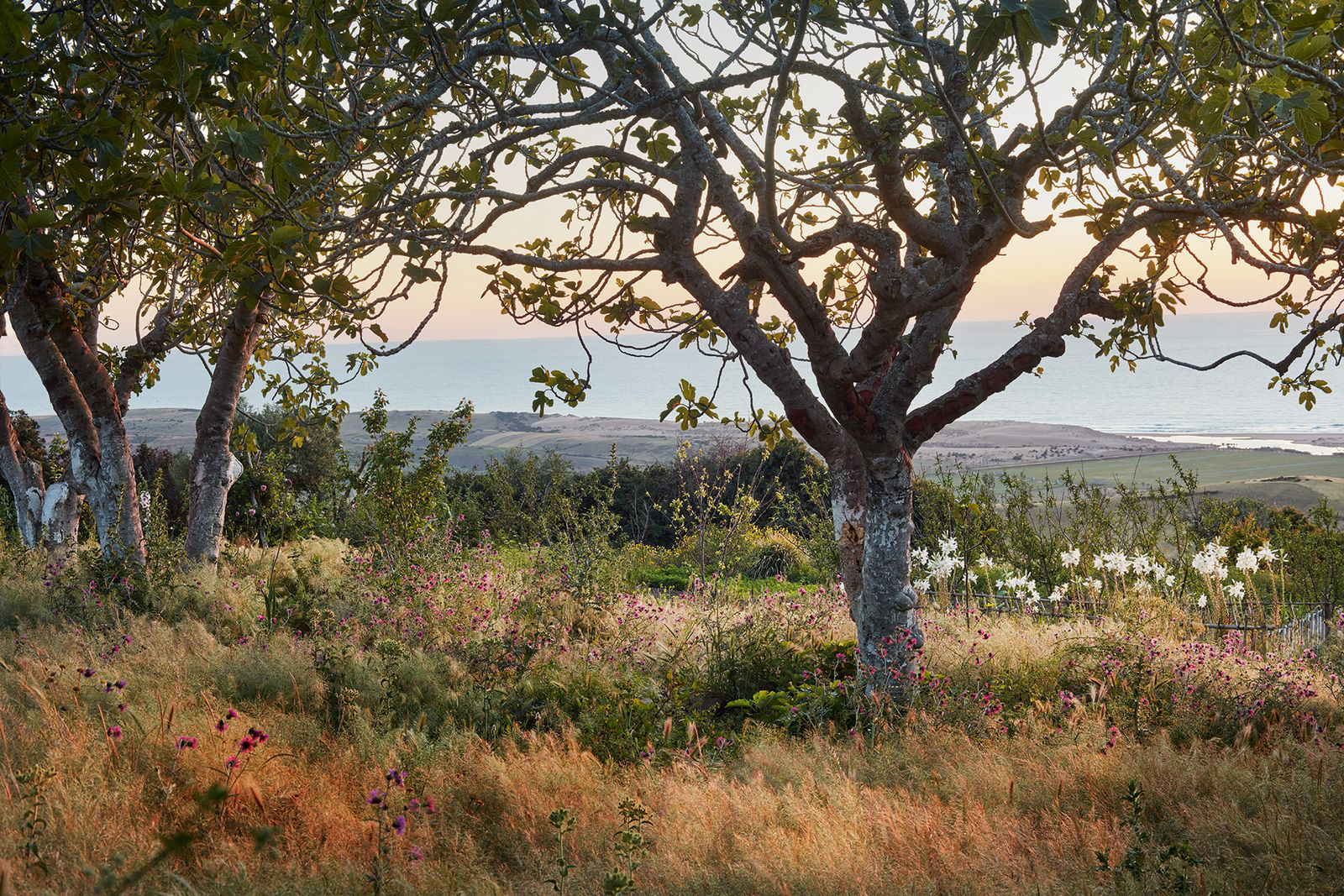
Umberto Pasti’s Rohuna Garden© Ngoc Minh Ngo
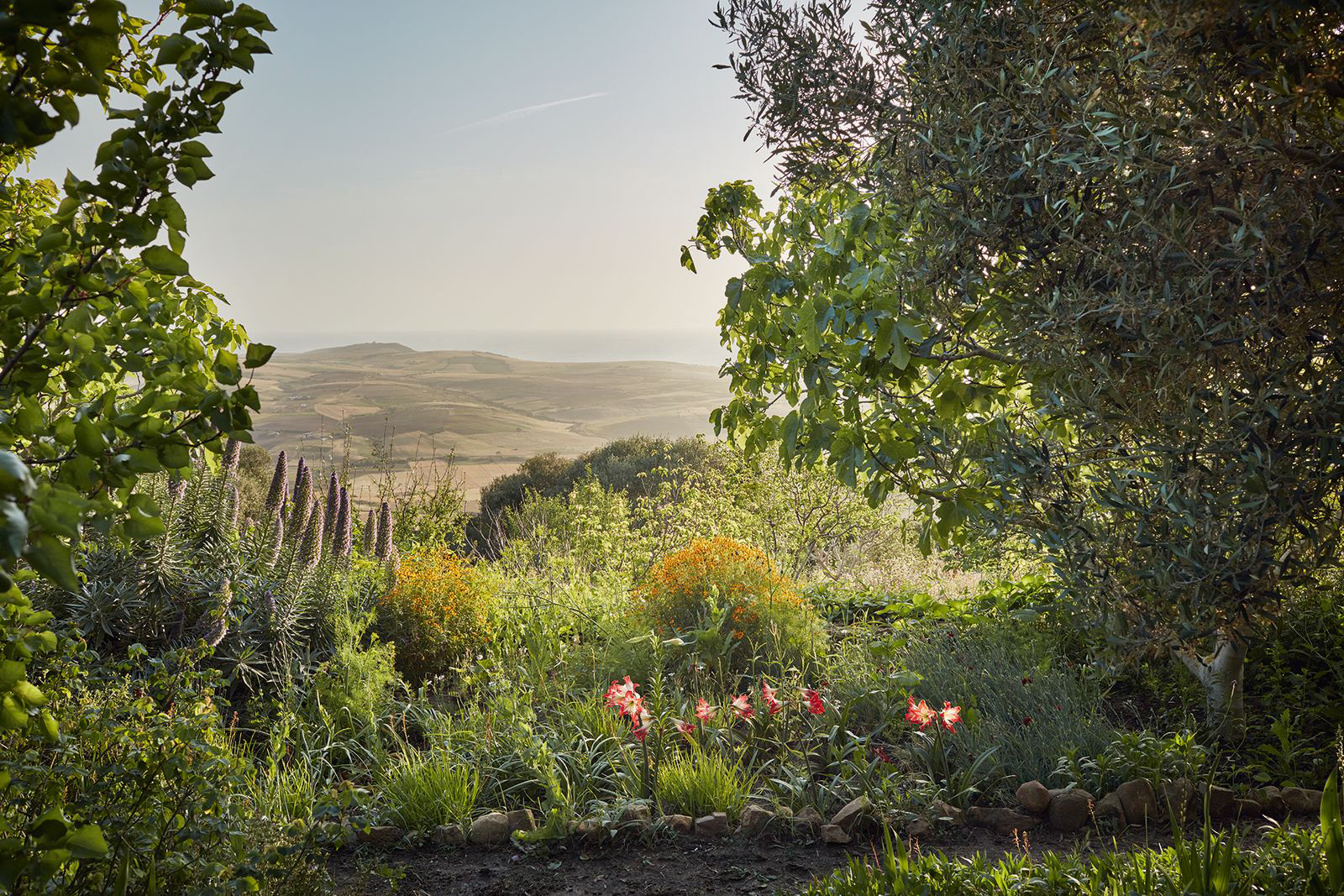
Umberto Pasti’s Rohuna Garden© Ngoc Minh Ngo
His vision for the garden has been clear from the beginning: to fill it with indigenous Moroccan plants that he could see disappearing from landscapes blighted by development. Today, the garden is a paradise of shady trees, tangled greenery, and jewel-like flowers crowding terraces linked by winding stone walls.
On the terraces near the house, he has allowed himself to diverge from his original plan, introducing selected non-indigenous species with the help of Belgian botanist Bernard Dogimont. Clusters of roses, spiky agaves, scented lilies, and exotic erythrinas — among hundreds of other plants — crowd the narrow paths, creating a verdant jungle in which it is easy to lose oneself.
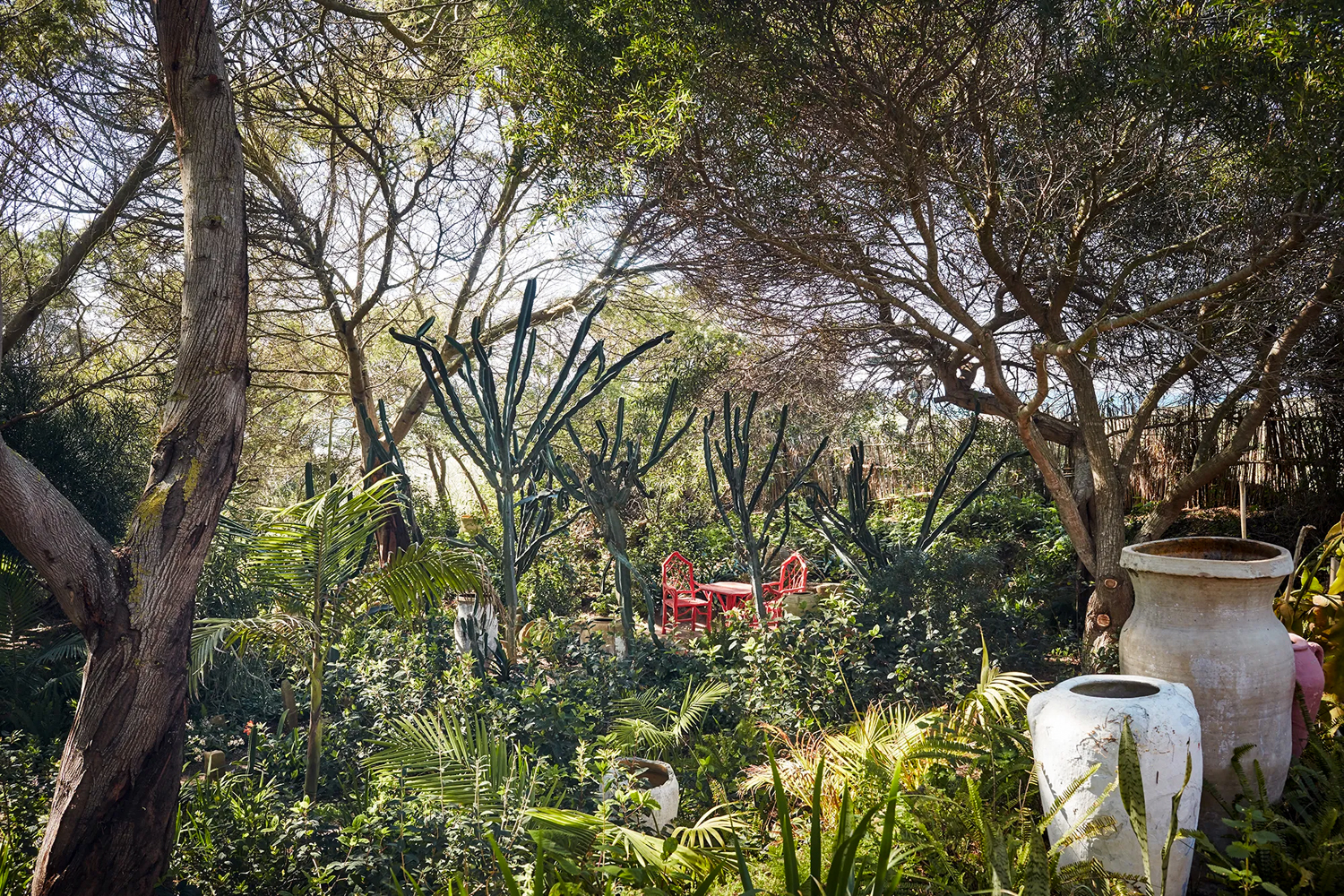
Rohuna Garden © Ngoc Minh Ngo
A consummate storyteller, Umberto has woven tales around each terrace: there are English, Italian, Portuguese, and Egyptian gardens, each attributed to an imaginary character. The Englishman, for example, is said to be a melancholy drunk.
Overnight: Hotel Barceló, Tangier
Tangier to Chefchaouen
Tangier’s hinterland is largely cultivated or overgrazed, with only occasional patches of Dwarf Fan Palm (Chamaerops humilis) and Lentisc (Pistacia lentiscus) relieving the brown landscape. We will see plantations of Pinus halepensis, lines of planted Cupressus sempervirens, and very open Pinus pinea woodland before the scenery becomes wilder and more mountainous as we approach Chefchaouen.
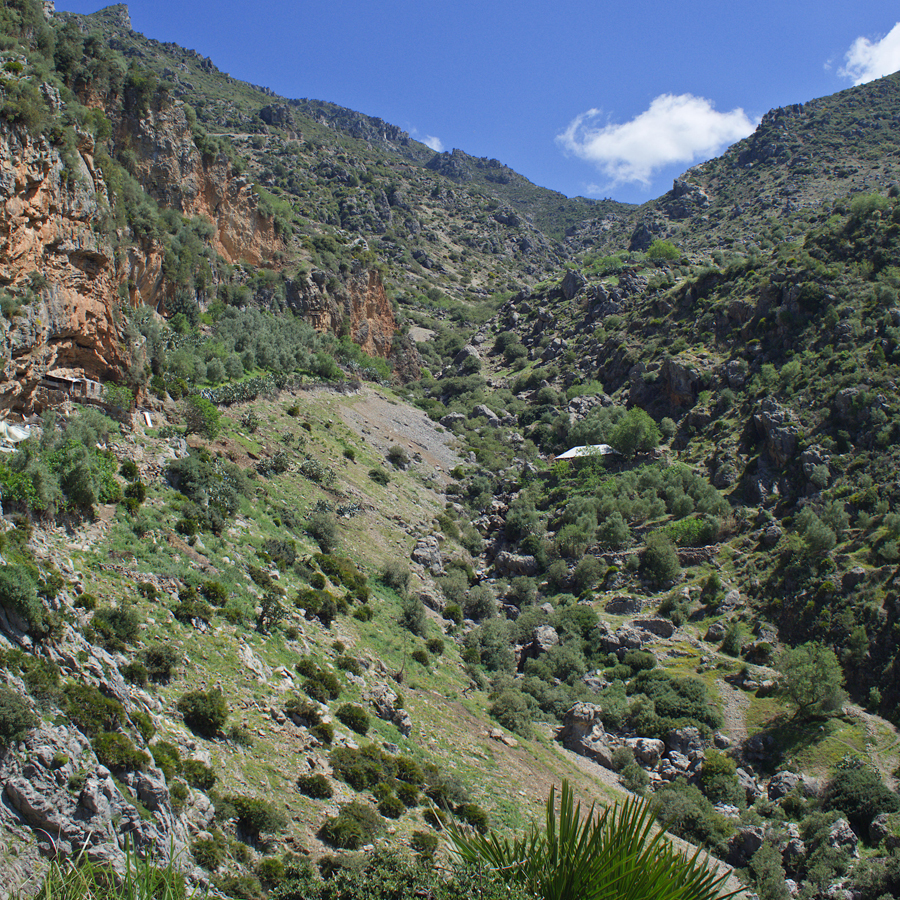
The landscape above Chefchaouen, Talassemtane National Park © Stefano Doglio
Here we will likely encounter Cistus ladanifer, whose large white blooms are centred with yellow and burgundy. The flowers often fall by afternoon, so we will hope some are still in bloom.

Cistus ladanifer grown by Malcolm Allison, Gloucestershire, UK © John Grimshaw
Chefchaouen is a popular destination with visitors. Its name derives from the Berber word Ichawen, meaning “horns,” referring to the twin peaks above the town. The blue-washed buildings are particularly striking.
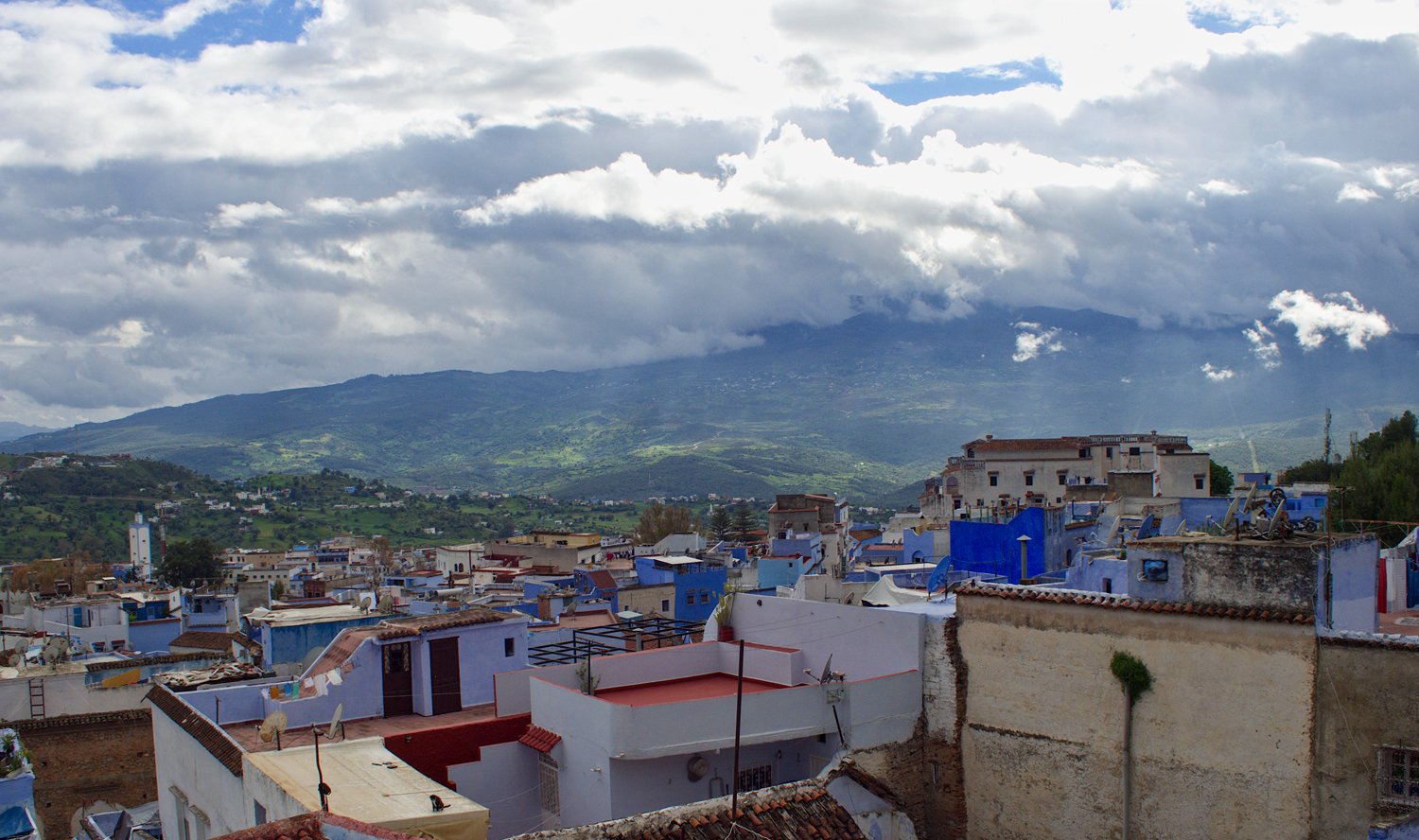
Chefchaouen © Stefano Doglio
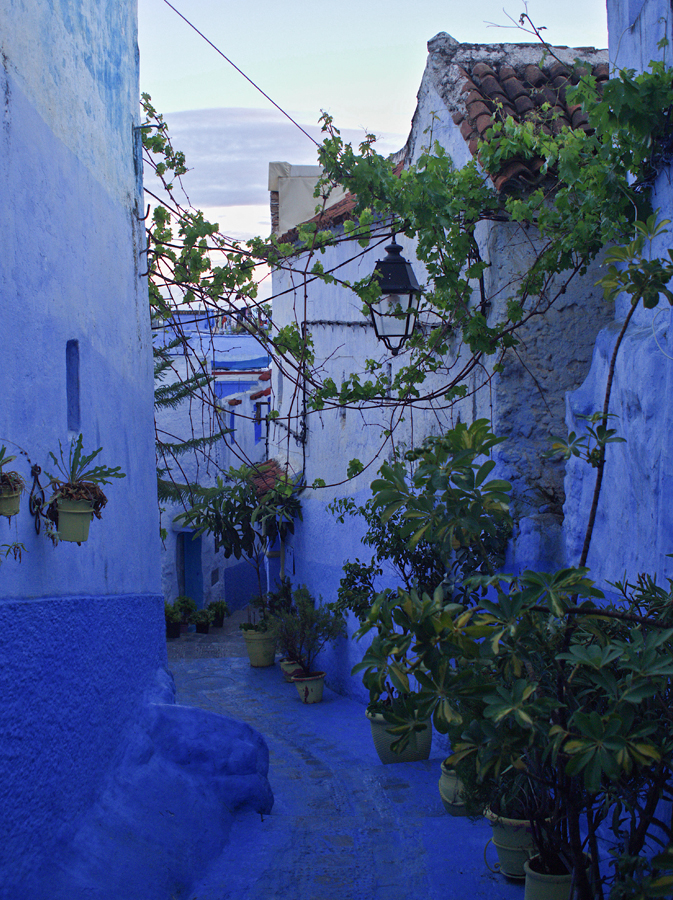
Chefchaouen © Stefano Doglio
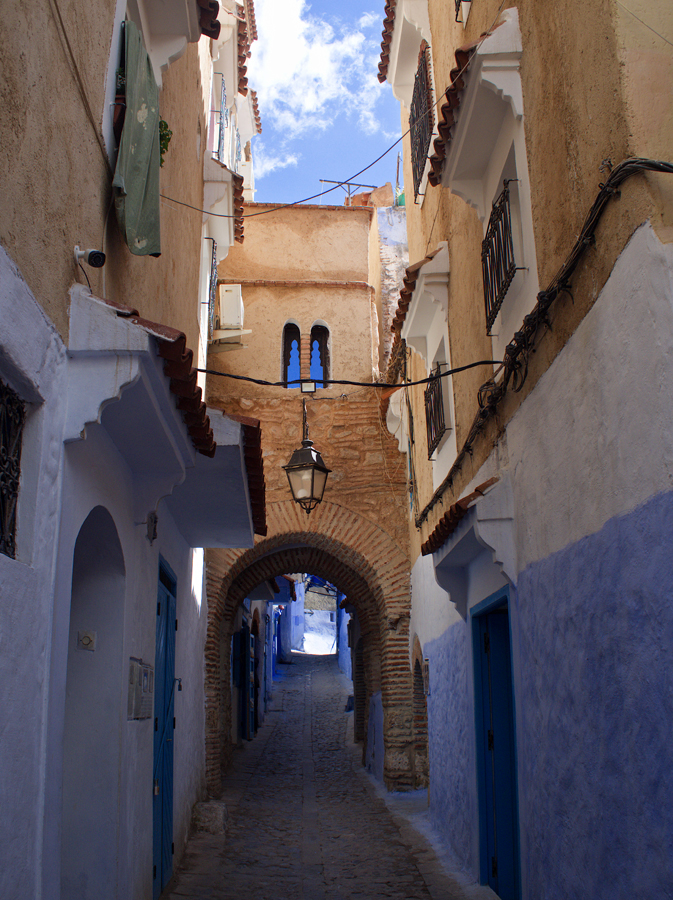
Chefchaouen © Stefano Doglio
Overnight: Dar Baibou, Chefchaouen
Talassemtane National Park
Chefchaouen is beautifully situated on the edge of the Rif Mountains, and wherever one travels from the town, the landscape is mountainous. To the east lies Talassemtane National Park, an area of high country that harbours most of the remaining Moroccan Fir and Black Pine forest in North Africa.
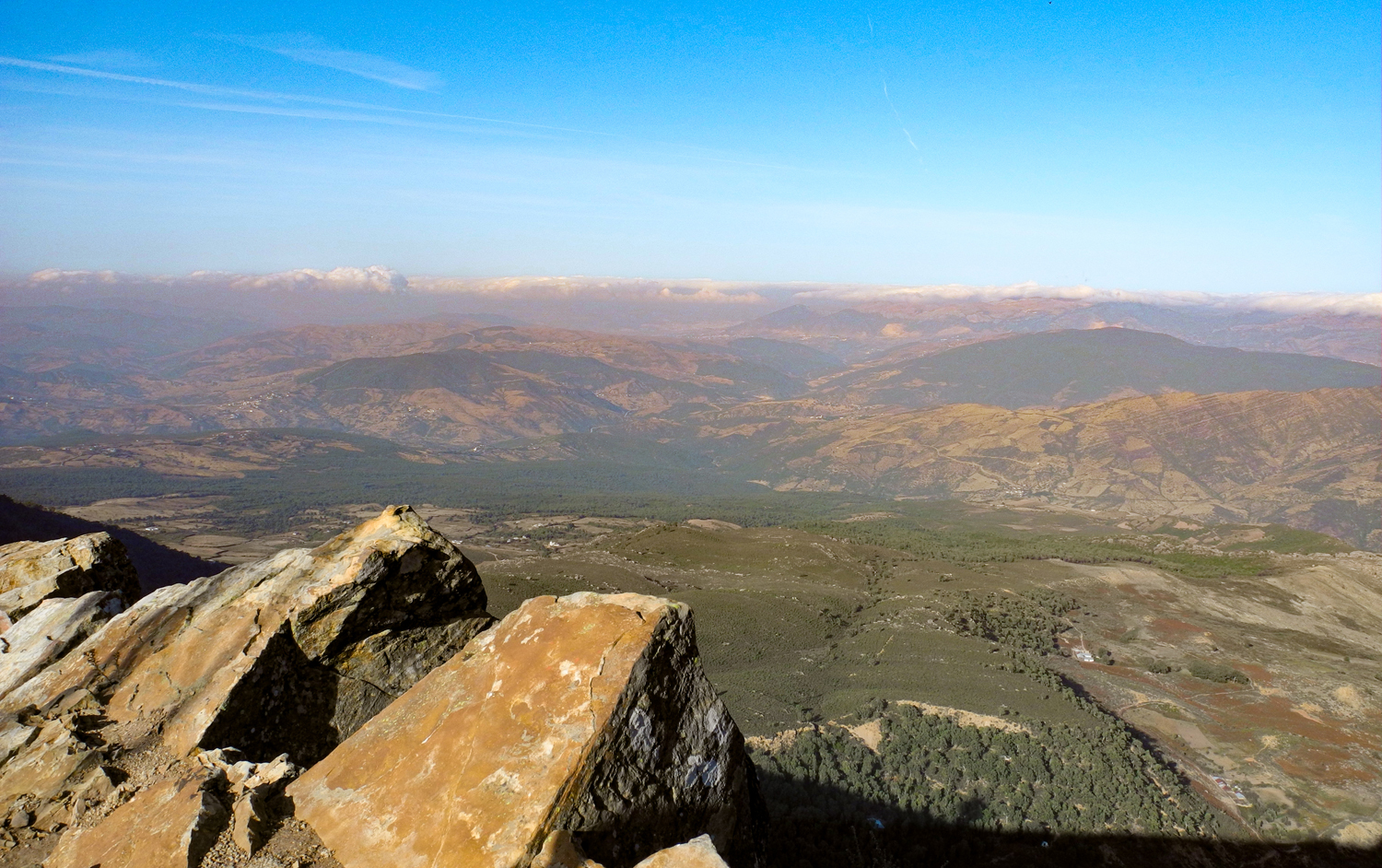
Western Rif landscape © Stefano Doglio
In the valleys are extensive cork oak forests, but our focus for the day will be the rare and unique habitats found on the heights of Jebel Tissouka.
In the soft morning light, the pale blue houses of the old quarter give way to vibrant green countryside as we drive along a dirt road into the park, passing farms and olive groves before entering large tracts of cork oak woodland. Land Rovers will take us high into the mountains.
We will begin by driving through a wide belt of cork oak forest before reaching a zone of Holm and Portuguese oaks, from which loom enormous moss- and fern-covered boulders. The atmosphere is reminiscent of Wistman’s Wood, though on a much grander scale.
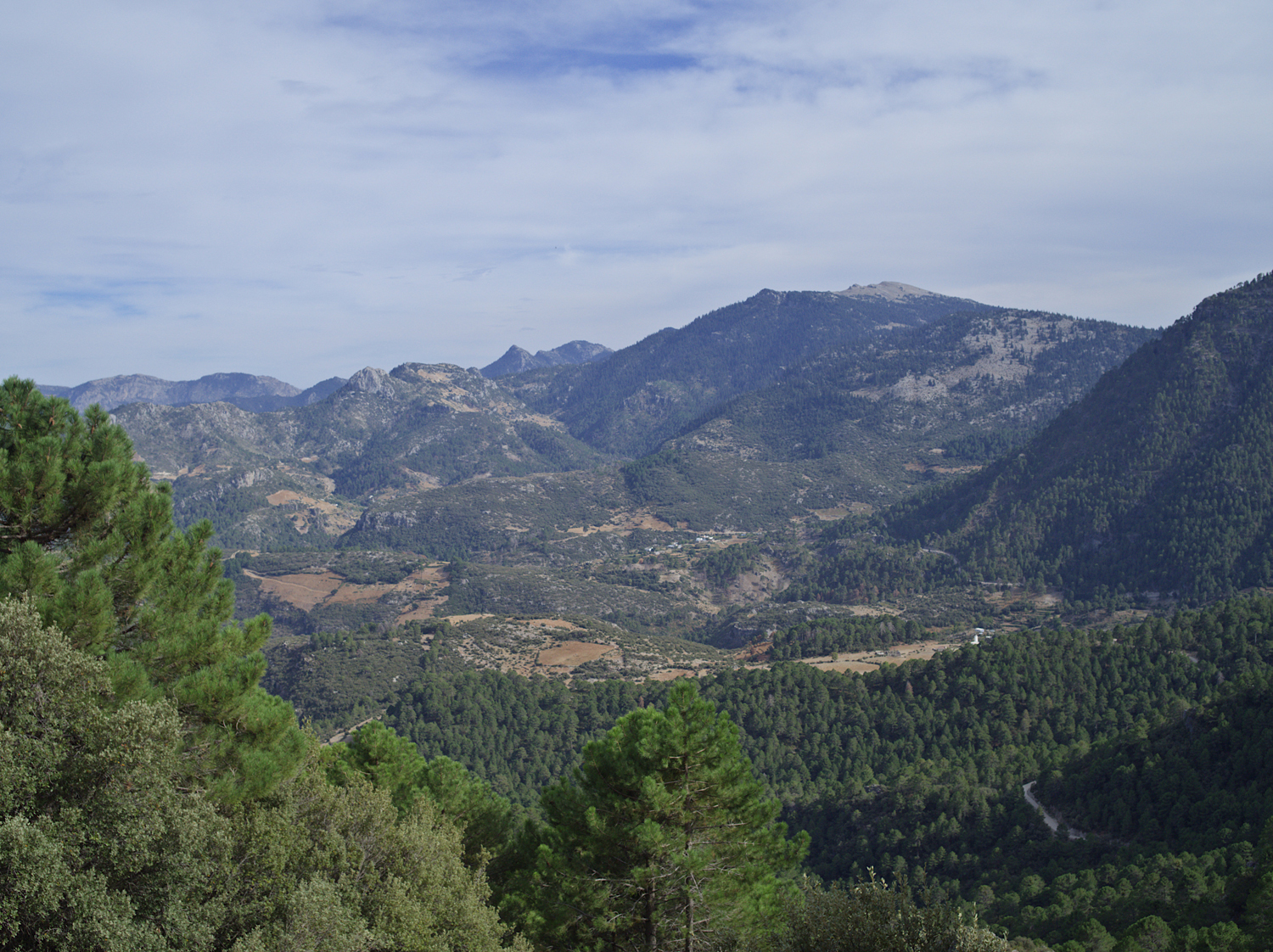
Talassemtane National Park © Stefano Doglio
Under the trees we may find peonies (perhaps flowering) and abundant Laurustinus (Viburnum tinus). Higher still, we will enter a magnificent landscape of Atlantic Cedar (Cedrus atlantica) and Moroccan Fir (Abies marocana), mixed with Acer granatense, a highly localised species in Morocco. There are also stands of the local Black Pine (Pinus nigra subsp. salzmannii).
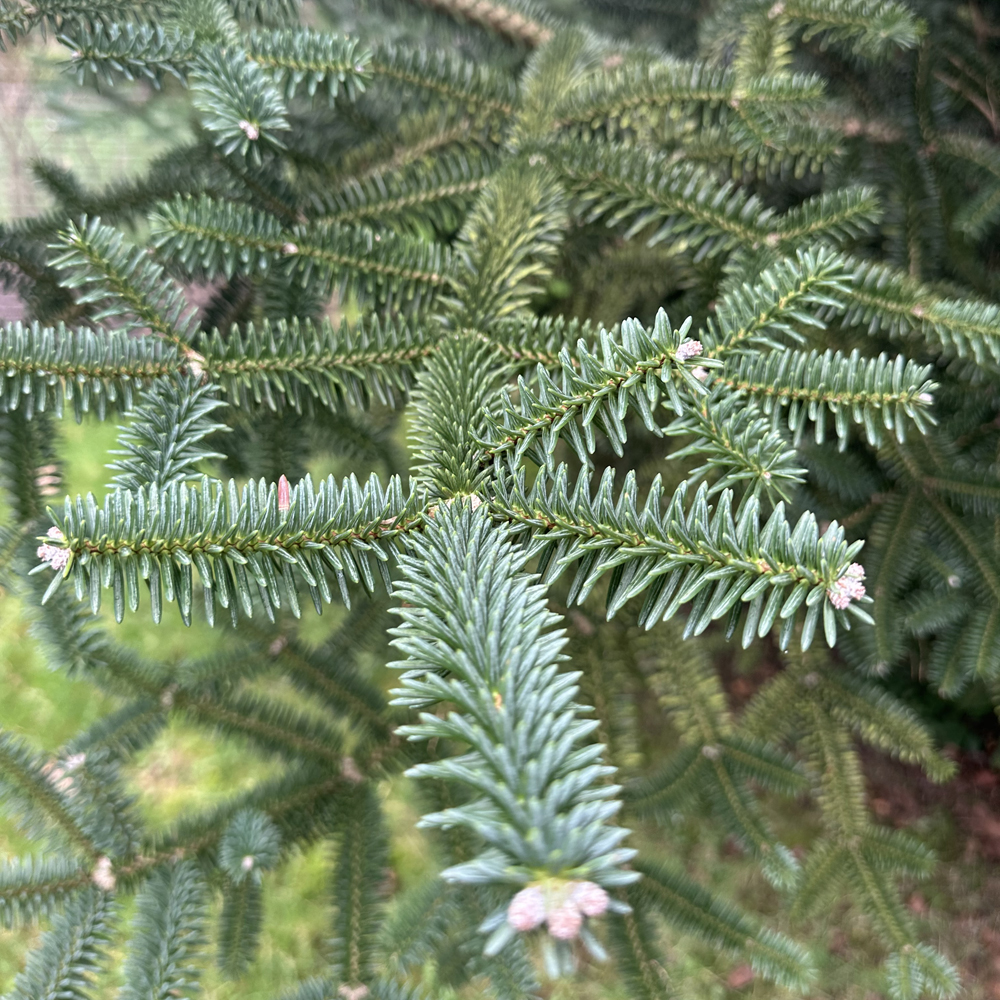
Abies marocana
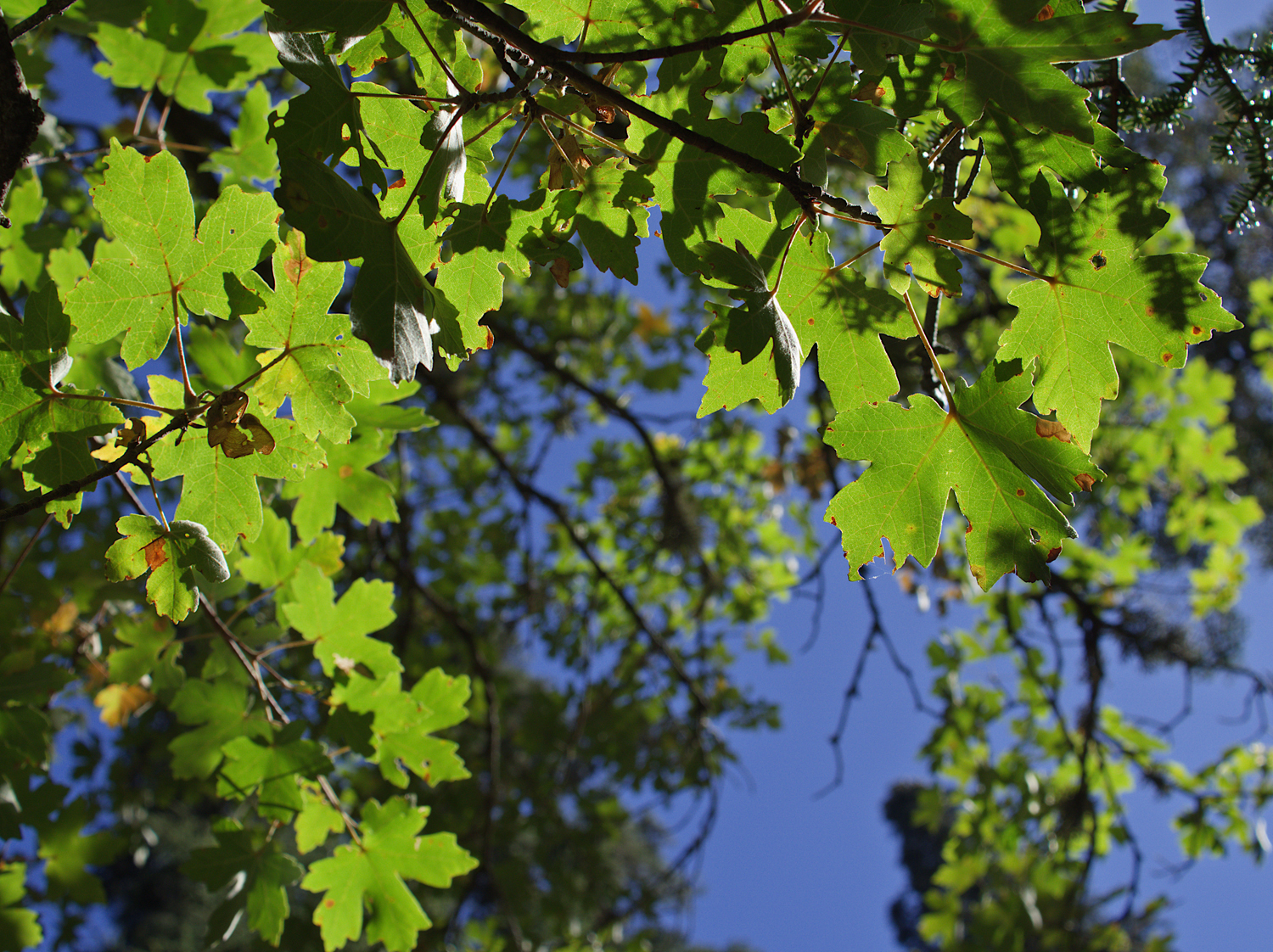
Acer granatense, Talassemtane NP © Stefano Doglio
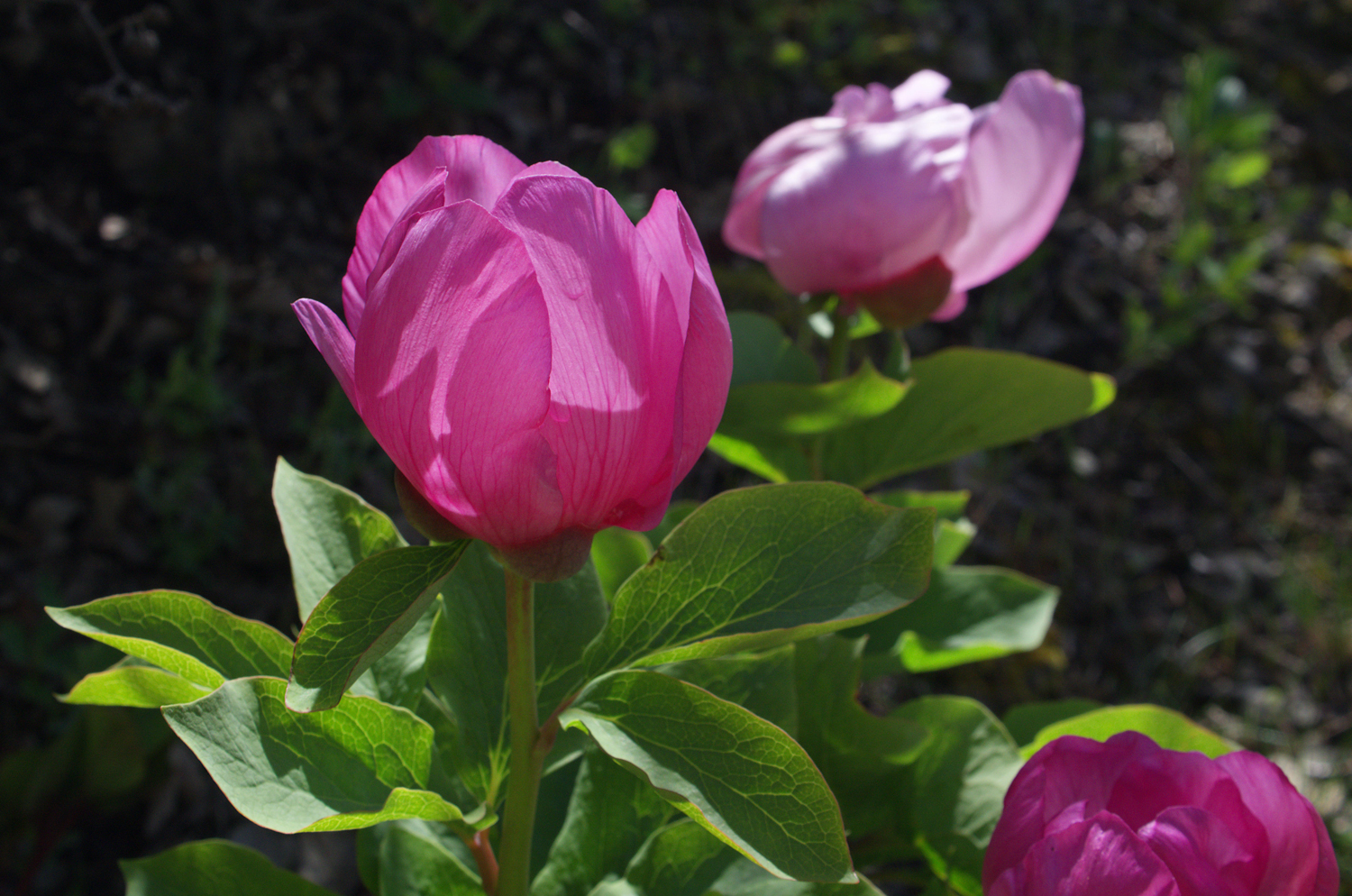
Paeonia coriacea, Talassemtane NP © Stefano Doglio
Other woody plants include Rhamnus alaternus, Salix salvifolia, Berberis hispanica, Daphne laureola, and Juniperus oxycedrus. One of the last remaining populations of wild Barbary Macaques lives here, and we have a good chance of seeing them, as the males often use the giant boulders as lookouts.
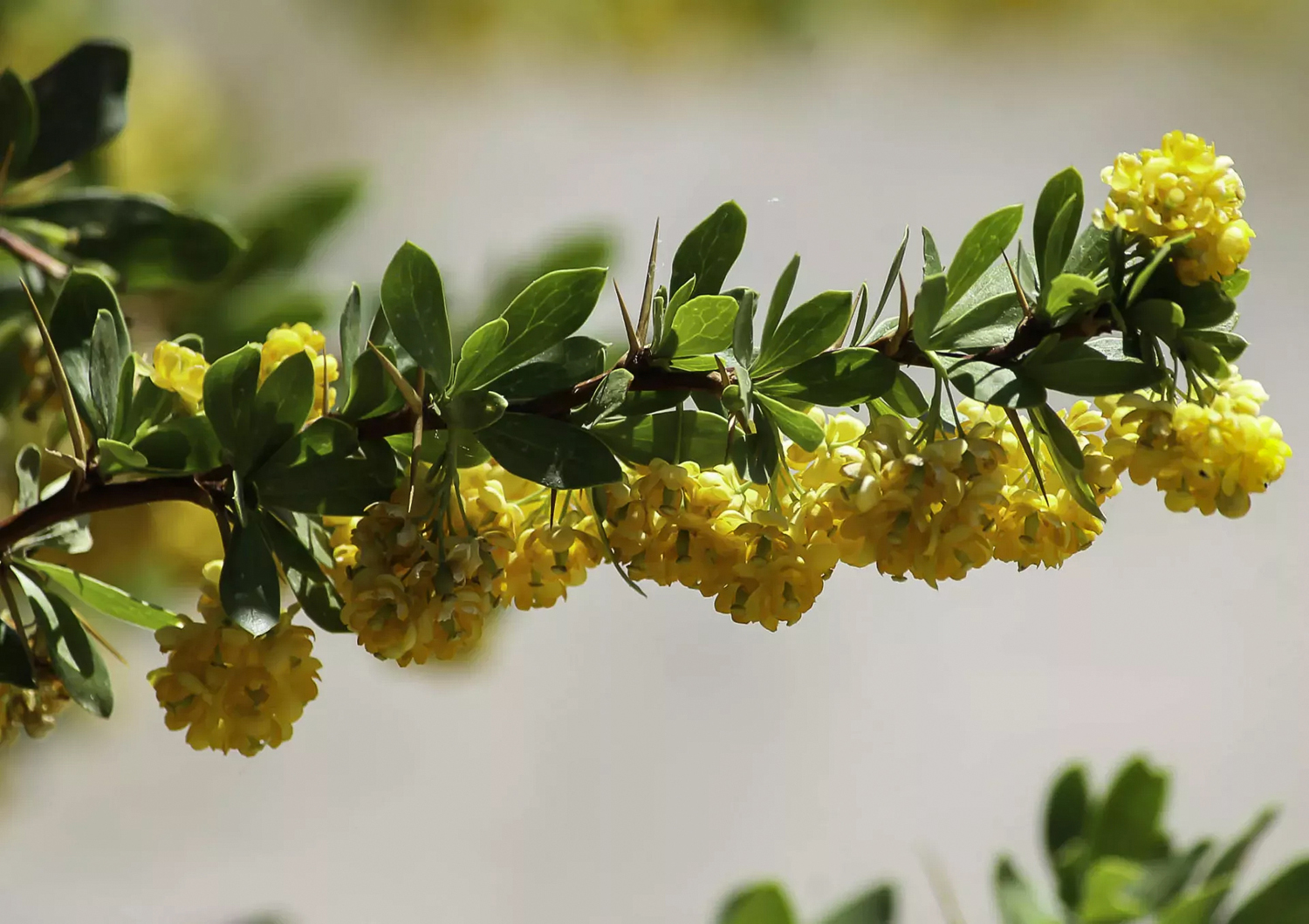
Berberis hispanica © Abdelmonaim Homrani Bakali
Levaillant’s Green Woodpeckers, Hawfinches, and Ring Ouzels are among the many birds that may be seen.
Overnight: Dar Baibou, Chefchaouen
Oak Forests East of Bab Taza
We will spend the day exploring the road east of Bab Taza, which winds above cannabis fields into magnificent ridgetop oak forests that seem to stretch endlessly.
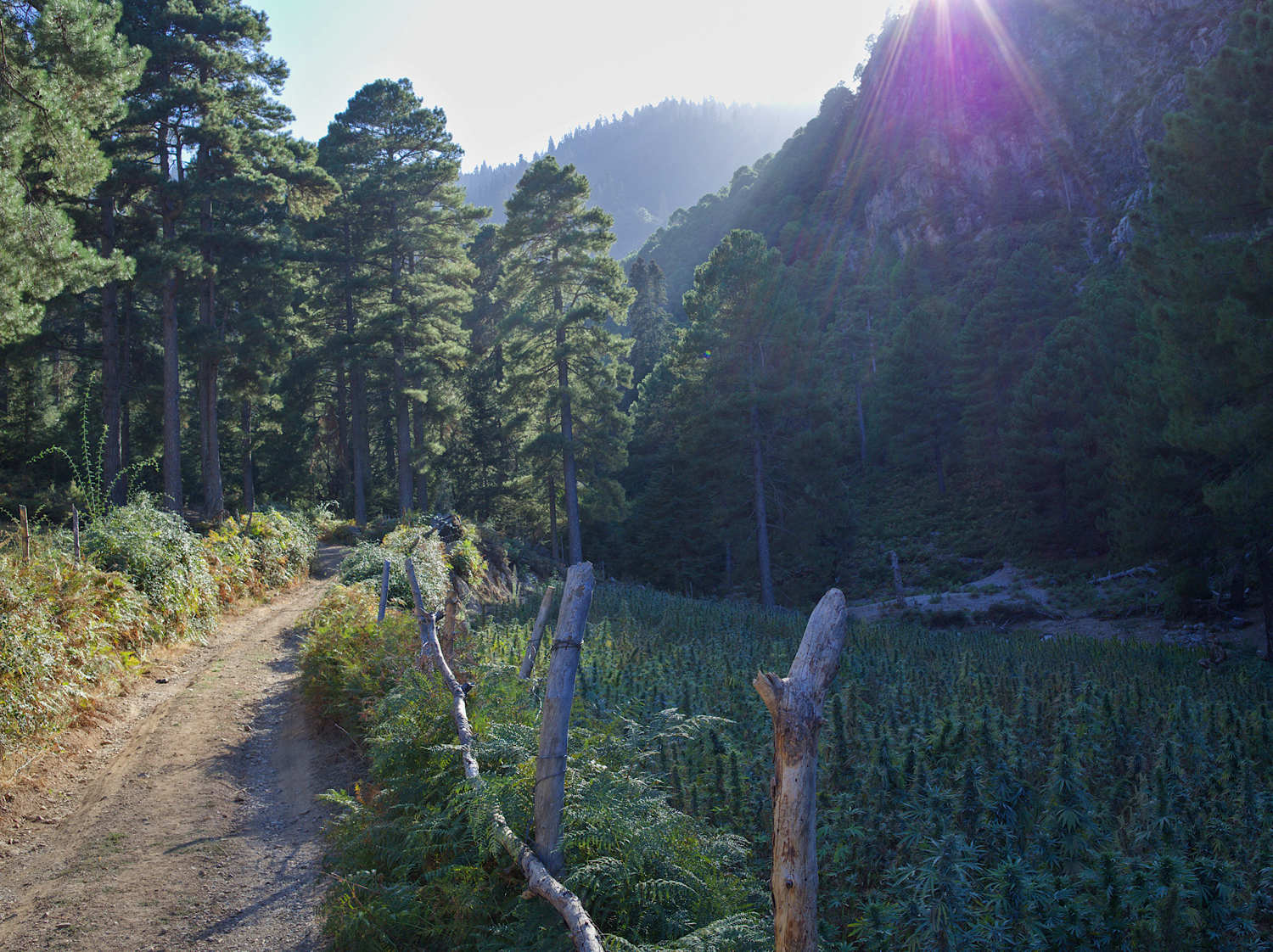
Pinus pinaster and Cannabis field, Talassemtane National Park © Stefano Doglio
Winding through Cedrus atlantica and Quercus suber forest, we will stop at a promontory overlooking the forested hills. The oaks are varied, with Quercus canariensis and Quercus faginea conspicuous, alongside Quercus rotundifolia and the “pseudococcifera” form of Quercus coccifera. Among them grow Cistus populifolius and Cistus laurifolius.
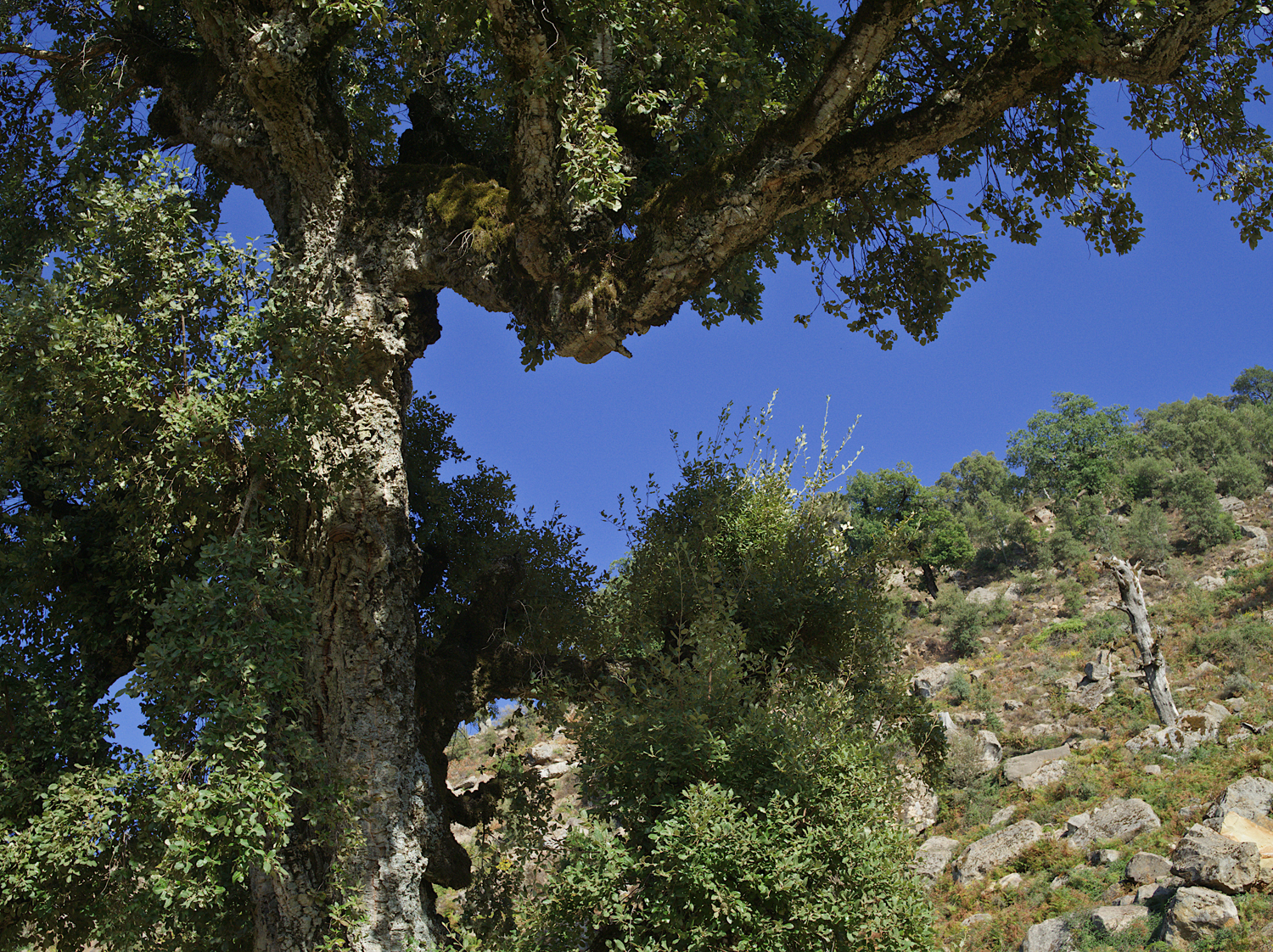
Quercus suber, Talassemtane National Park © Stefano Doglio
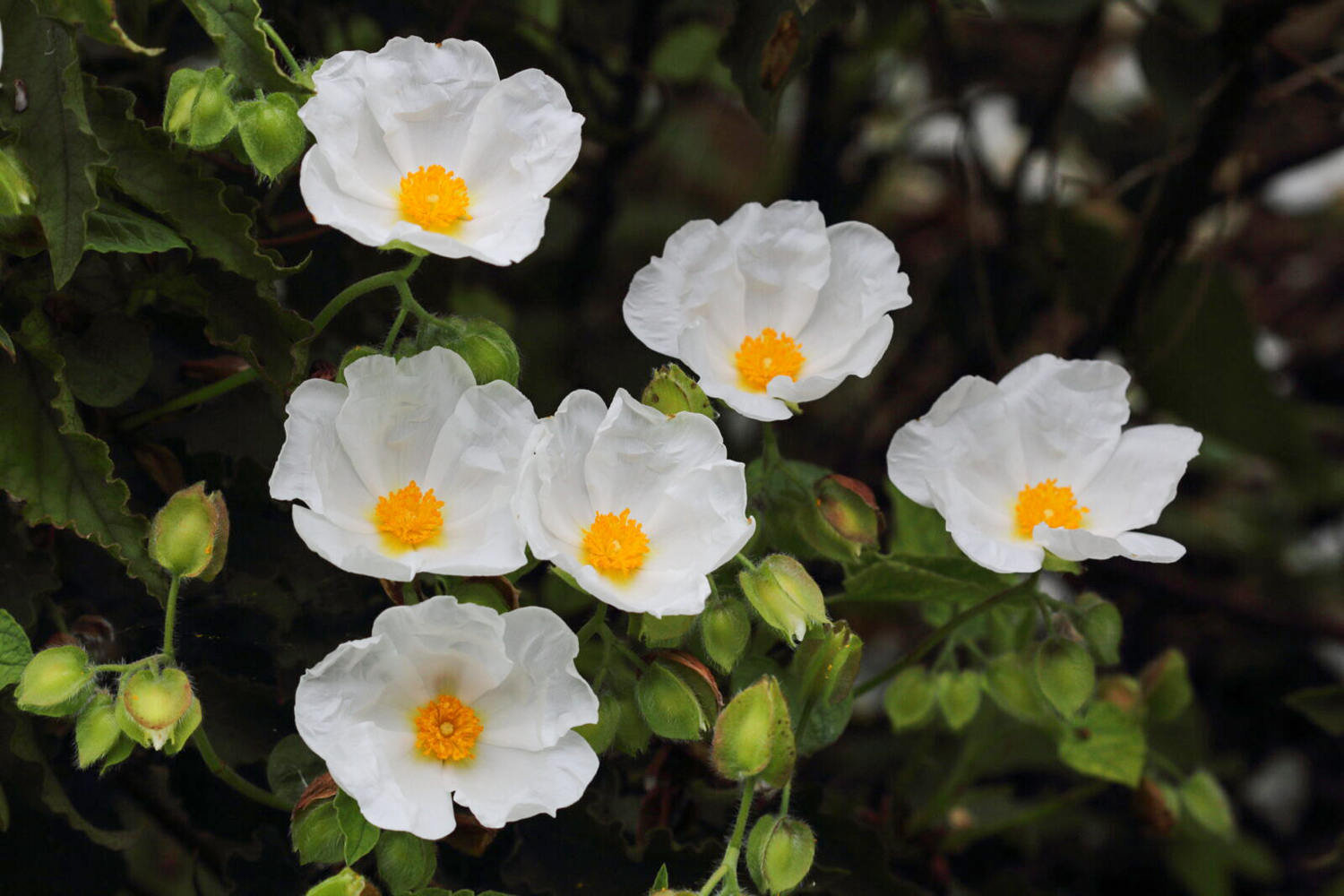
Cistus populifolius var. major © panglobalplants.com
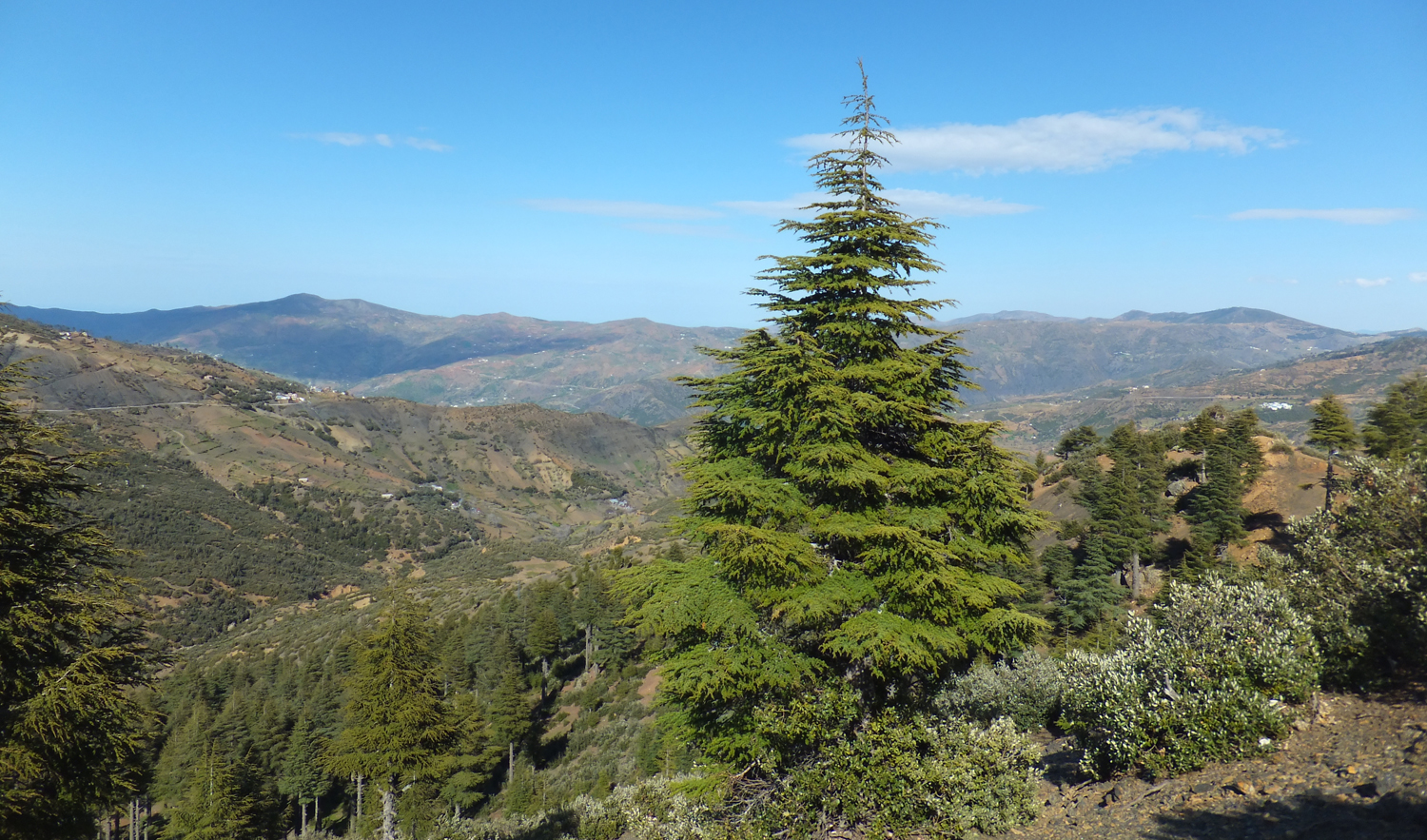
Cedrus atlantica and landscape in the Rif © Stefano Doglio

Quercus faginea subsp. faginea © Ori Fragman-Sapir
In the lower valleys the matorral is rich in Cistus species, including Cistus ladanifer, Cistus albidus, Cistus crispus, Cistus monspeliensis, and Cistus salvifolius, most likely in flower. Scattered Tetraclinis articulata occur on the dry valley sides, along with stands of Buxus balearica.
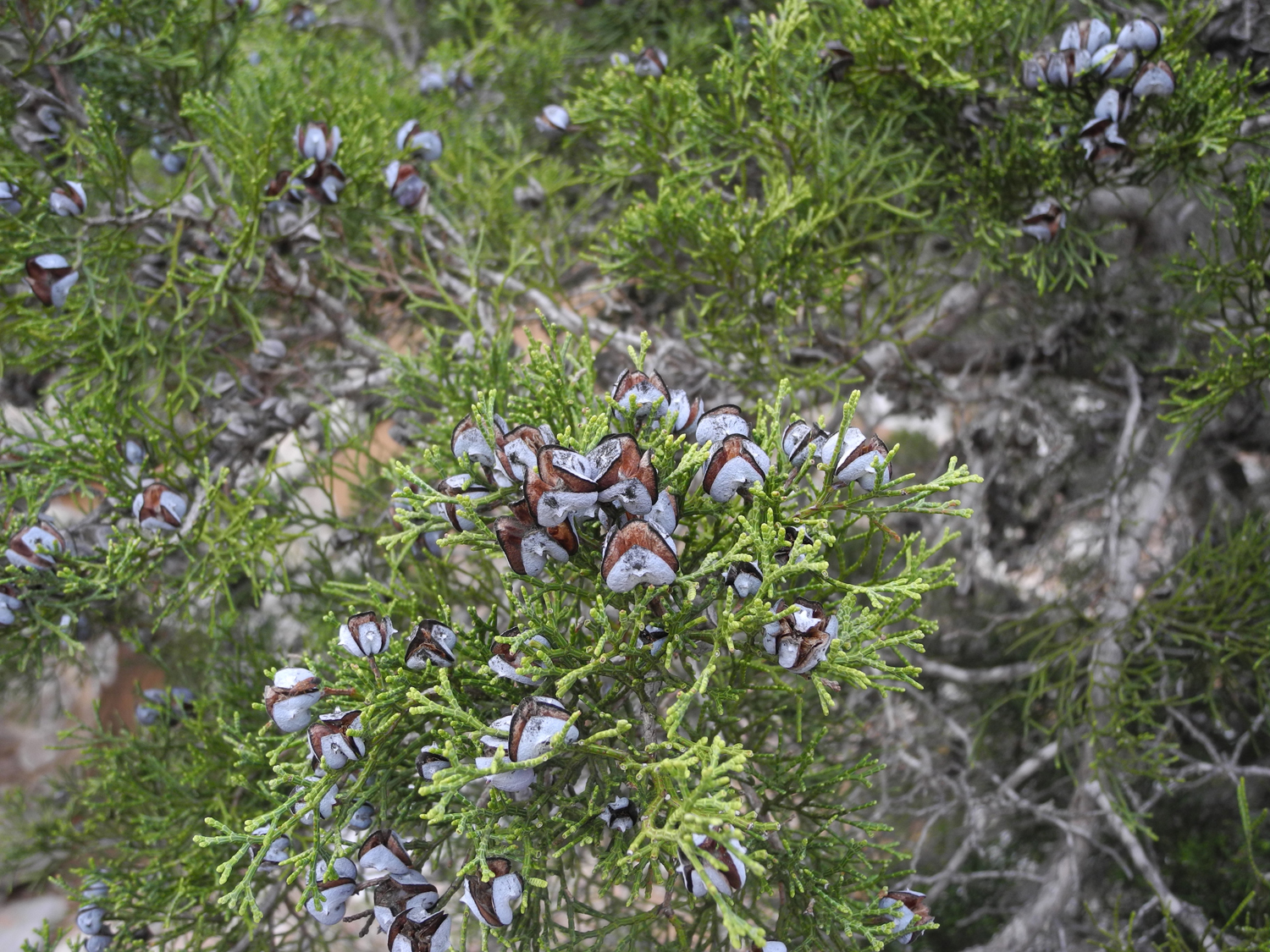
Tetraclinis articulata © Stefano Doglio
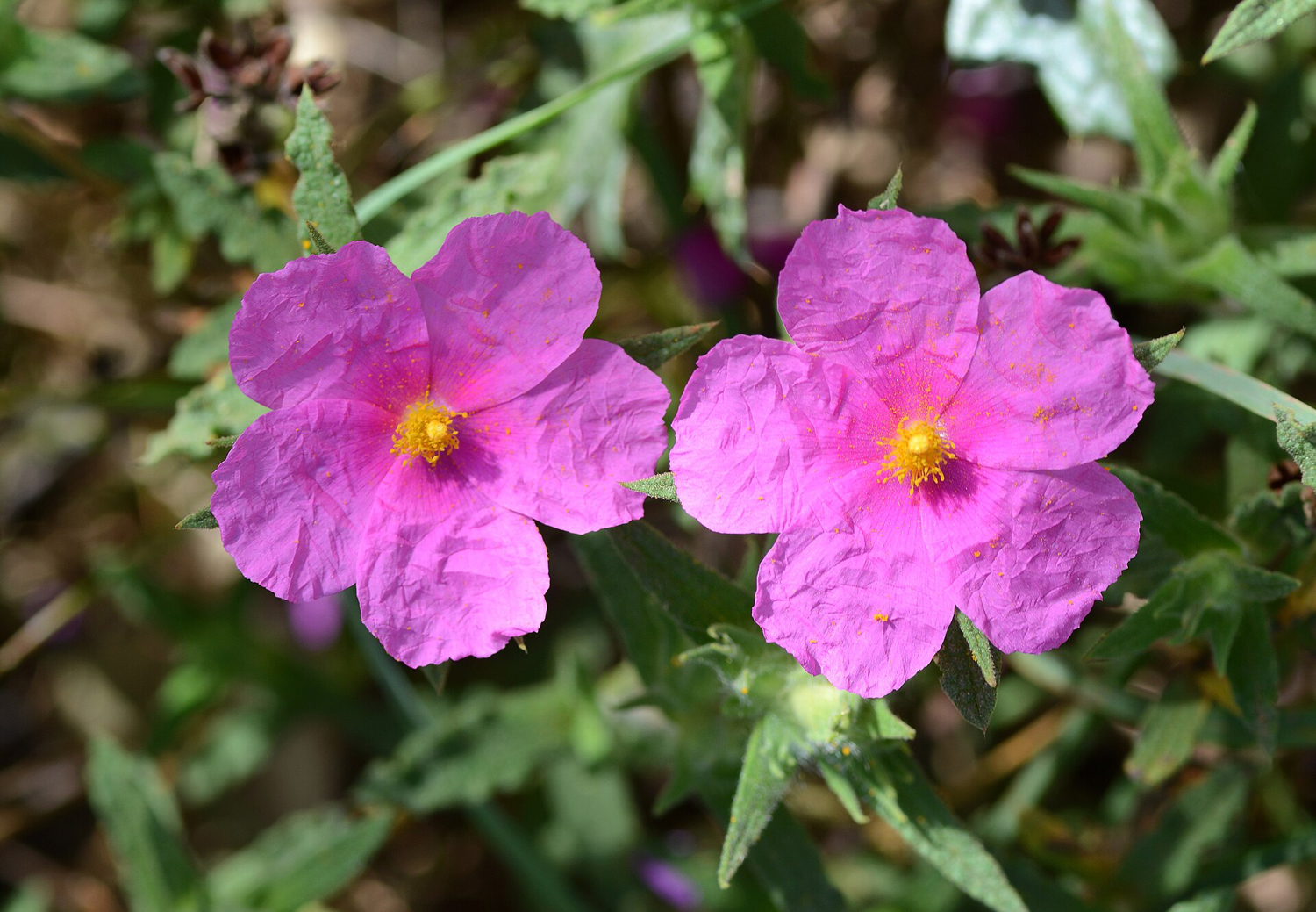
Cistus crispus © Alvesgaspar CC BY-SA 3.0
Ericaceae are prominent in sheltered valleys, notably Erica arborea and Arbutus unedo, growing alongside shrubby Fabaceae such as Genista cephalantha. Other notable woody plants include Daphne gnidium, Crataegus laciniata, and the scarcely woody violet, Viola arborescens.
Overnight: Dar Baibou, Chefchaouen
The Middle Atlas: Azrou & Ifrane National Park
We will drive south across the fertile plains of western Morocco — the agricultural heart of the country. Crossing the great Sebou Valley, one of Morocco’s most important river systems, we will pass through undulating farmland of orchards, orange groves, and tree plantations. The wealth generated here supports the great cities of Fez, Meknes, and Marrakesh, and we will pass through Meknes on our journey.
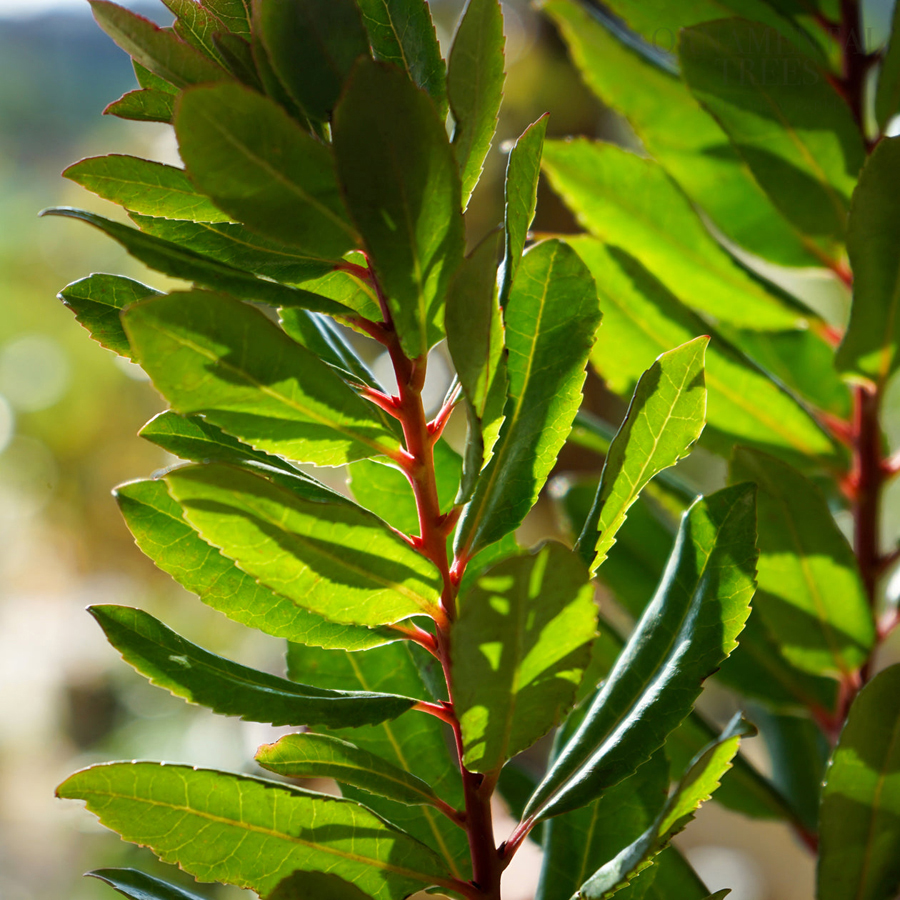
Arbutus unedo © ornamental-trees.co.uk
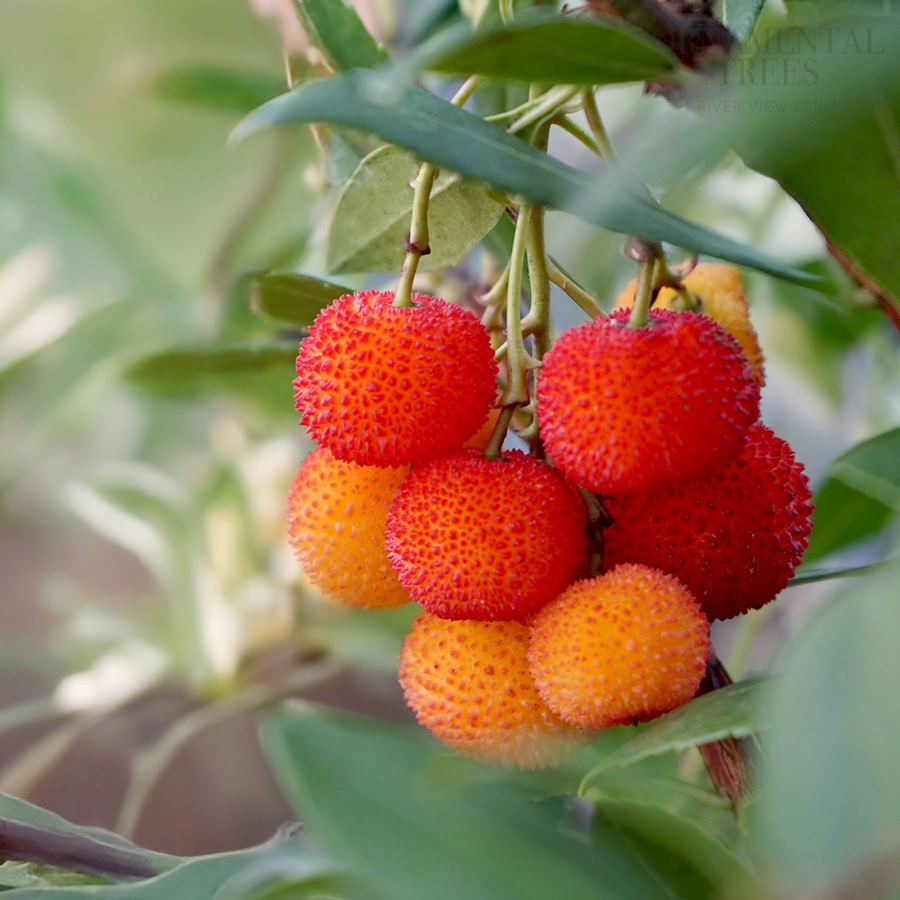
Arbutus unedo © ornamental-trees.co.uk
Ahead, the Atlas Mountains gradually rise into view: the Middle Atlas in the foreground and, in the distance, the highest peaks of the High Atlas.
We will ascend through red-roofed Ifrane, already at 1,650 metres, and soon find ourselves among the cedar forests for which the Middle Atlas is renowned.
During our first afternoon, we will stop at the famous Cèdre Gouraud between Ifrane and Azrou. This Atlas Cedar, approximately 900 years old, once stood 35 metres high with a circumference of 10 metres before dying in 2003. It remains a major landmark.

The cedar of Gouraud © Y. Jaoual / Le360
Overnight: Le Palais des Cerisiers, Azrou
The Middle Atlas: Azrou & Ifrane National Park
Ifrane National Park protects some five hundred square kilometres of cedar forest, rolling hills, and mountainous terrain. Ranging from 1,300 to over 2,000 metres above sea level, the park’s cool and relatively moist climate supports magnificent cedar stands, some of extreme age. One living tree near the park has been documented by tree-ring chronology from 977 to 2001, making it more than 1,000 years old.
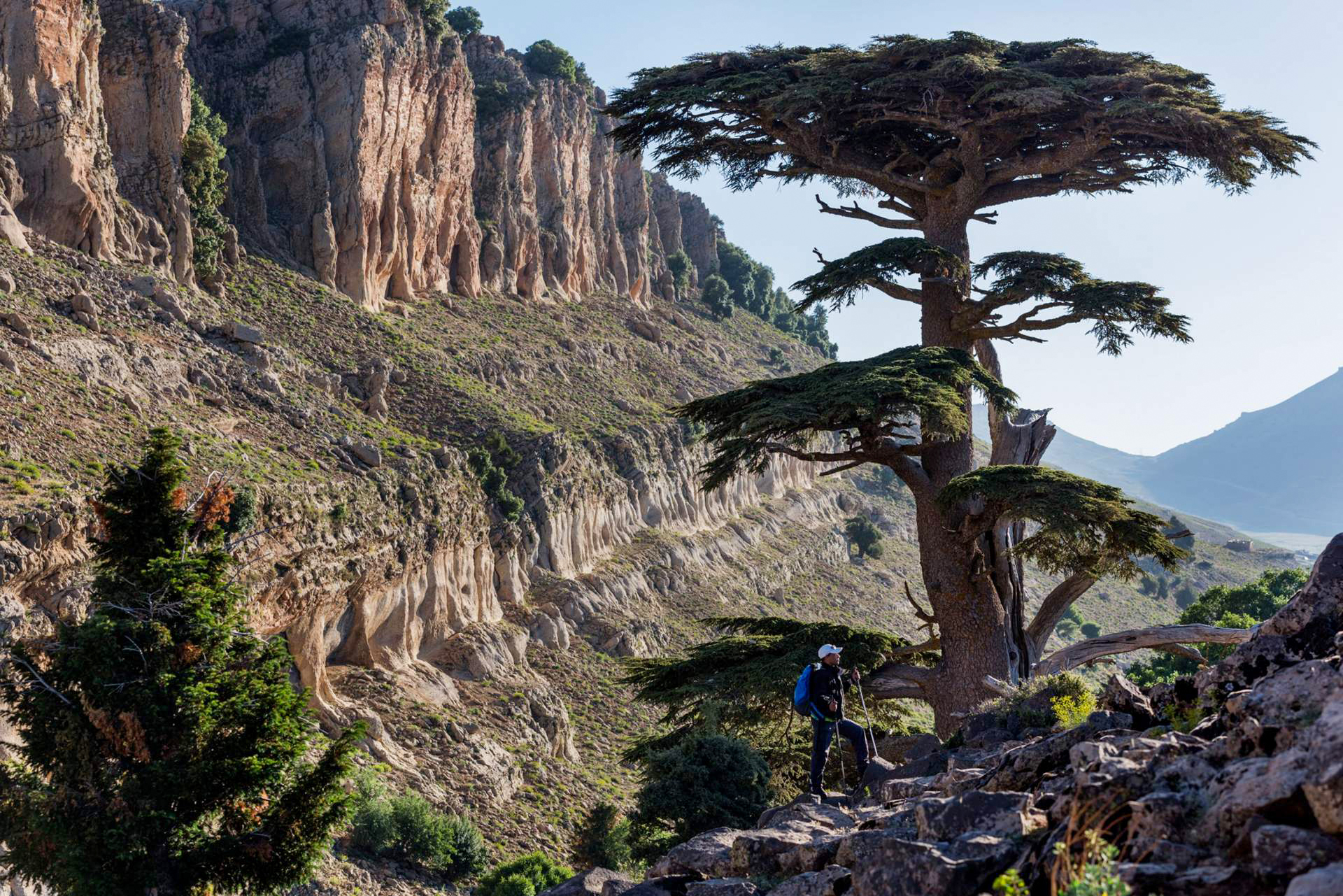
Ifrane National Park
Cedar Forest Loop Trail and Quercus canariensis
We will walk the Cedar Forest Loop Trail, a gently undulating five-kilometre route through some of the park’s finest old cedar forest.

Panorama Loop Trail, Ifrane National Park © Maaike Moorlag
Cedar is not the only tree of note. There are attractive stands of Quercus canariensis, scattered individuals of Aria edulis and Taxus baccata, and a highly isolated population of Acer monspessulanum. Other woody species include Viburnum lantana, Pyrus bourgaeana, and Quercus rotundifolia.
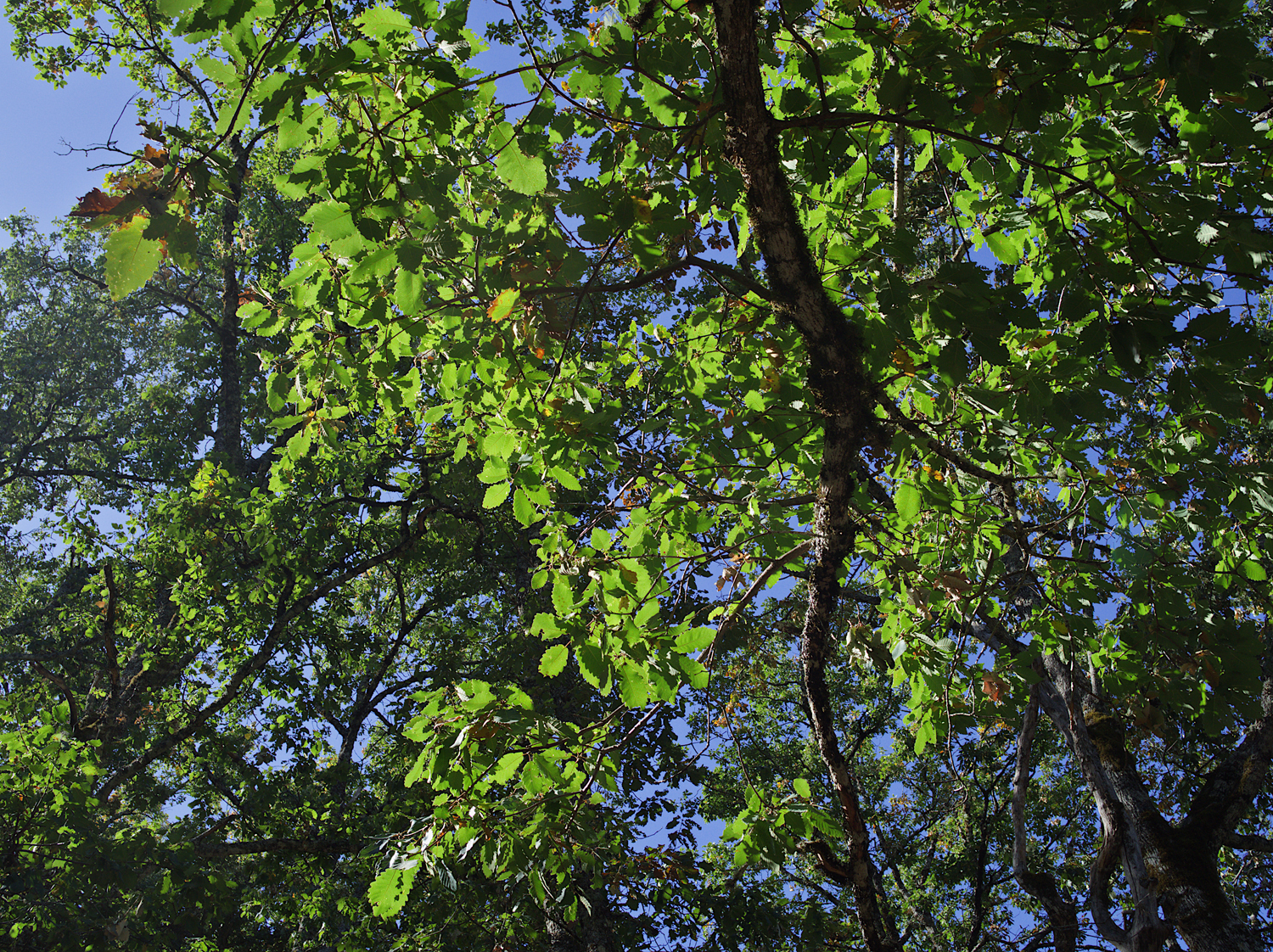
Quercus canariensis © Stefano Doglio

Quercus canariensis © Sergio López Castelo CC BY NC
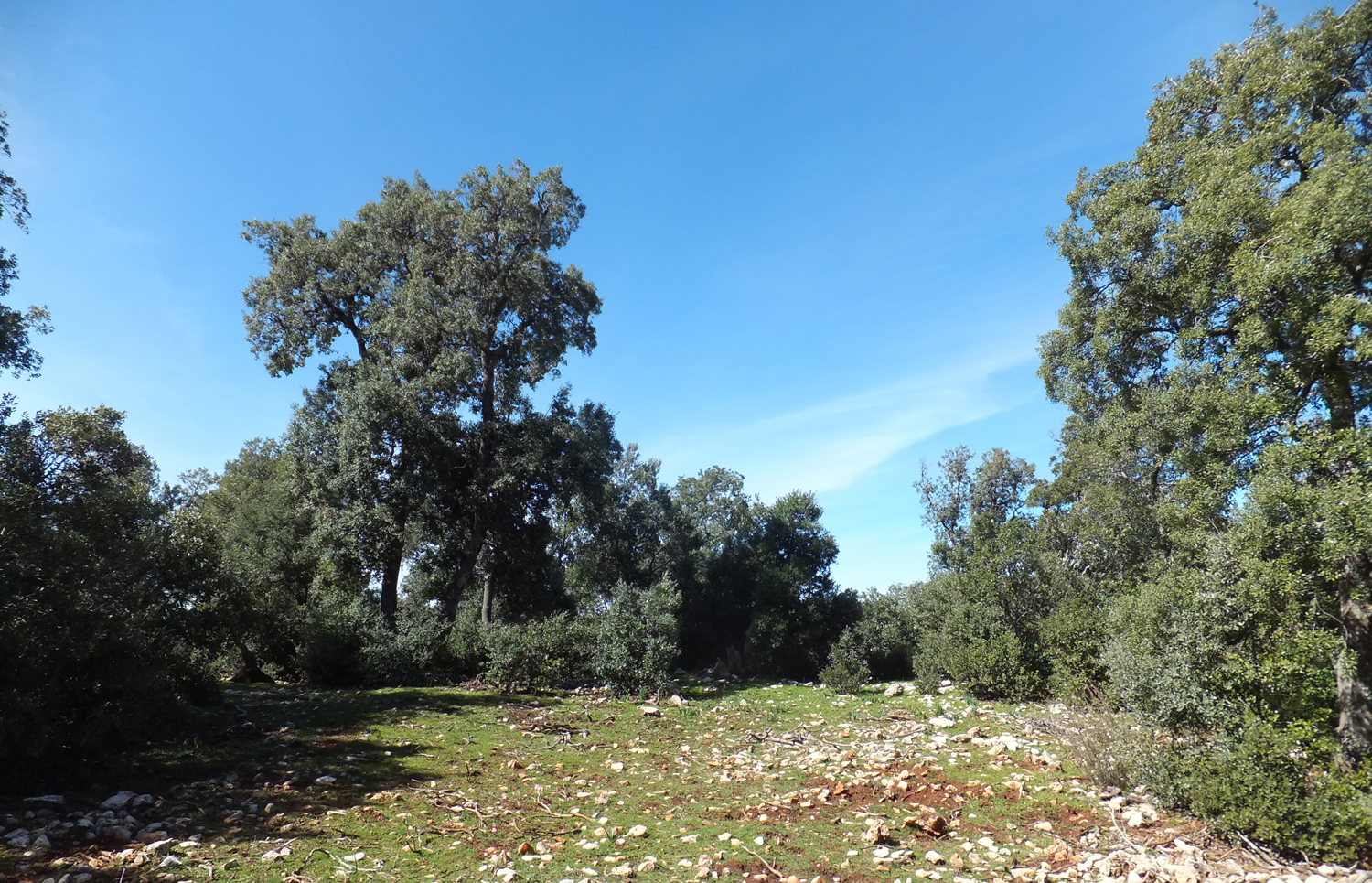
Quercus rotundifolia ©Stefano Doglio
Spring flowers may dot the open turf between the cedars, and we have another opportunity to see Barbary Macaques.
Overnight: Le Palais des Cerisiers, Azrou
The Middle Atlas at Mischliffen, then onward to Fès
In the morning, we will visit the ski station at Mischliffen. At over 2,000 metres, we will walk in cedar and oak woodland lining the volcanic crater in which the ski runs descend into the bowl below.
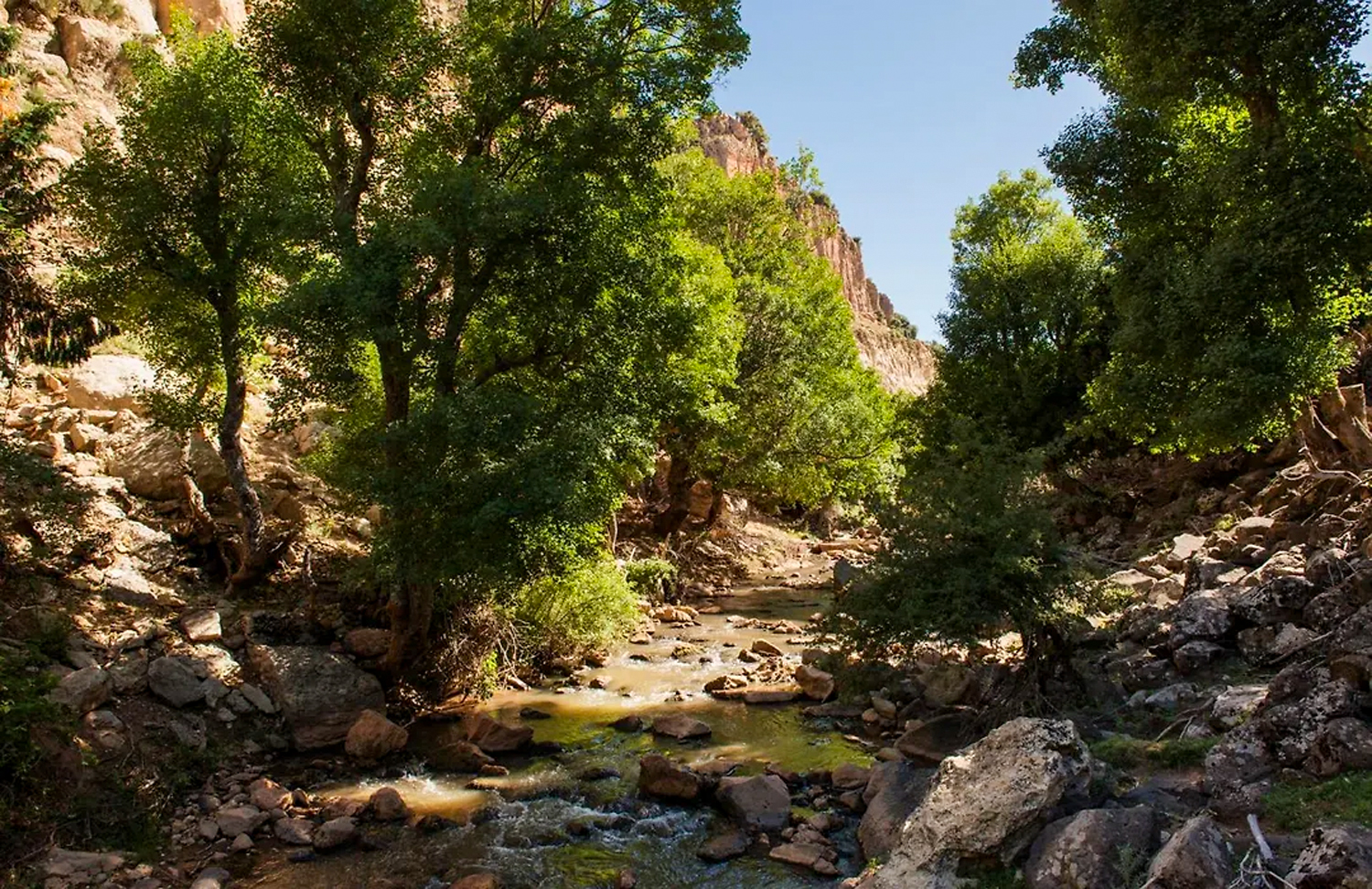
Mischliffen forest
In the afternoon, we will descend to Fès, a sprawling medieval city of narrow lanes and alleys set in a broad valley, for our final night of the tour. Members can arrange to stay on a few days to visit this fascinating city.
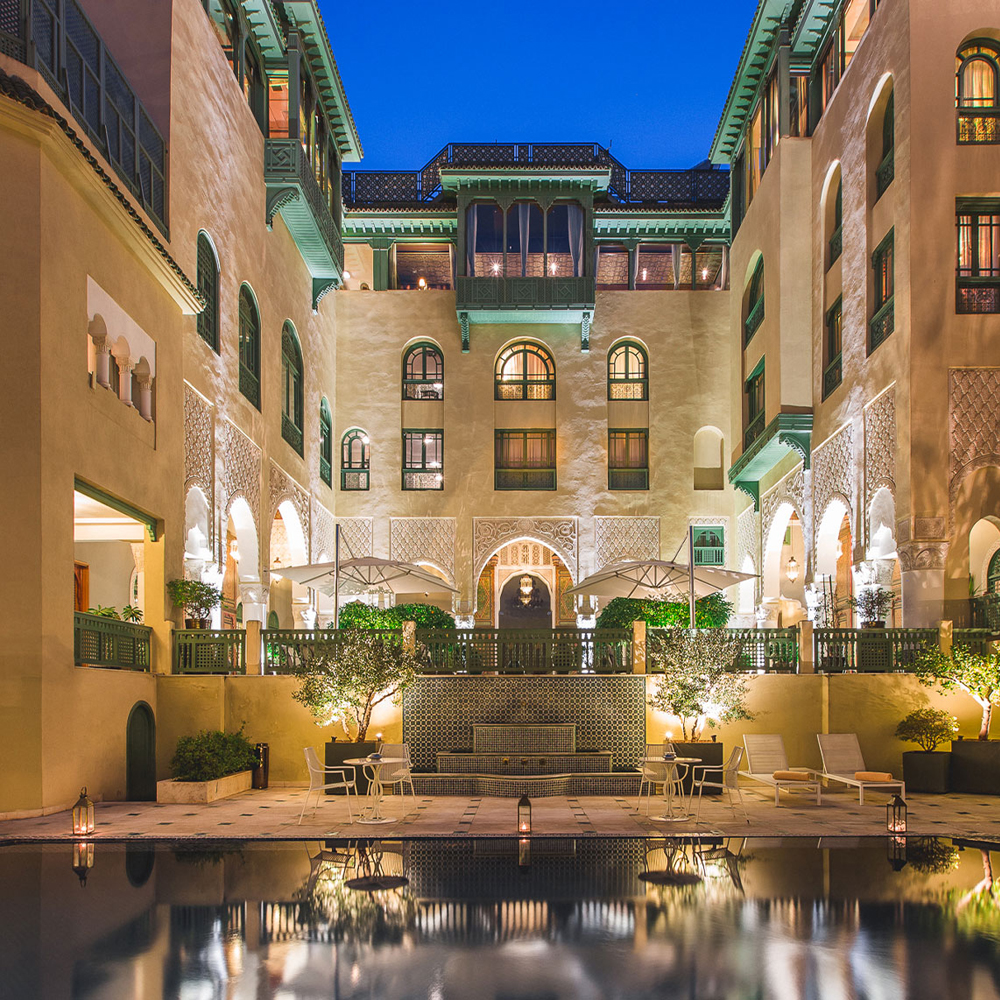
Palais Faraj, Fès
Overnight: Palais Faraj, Fès
Departure from Fès
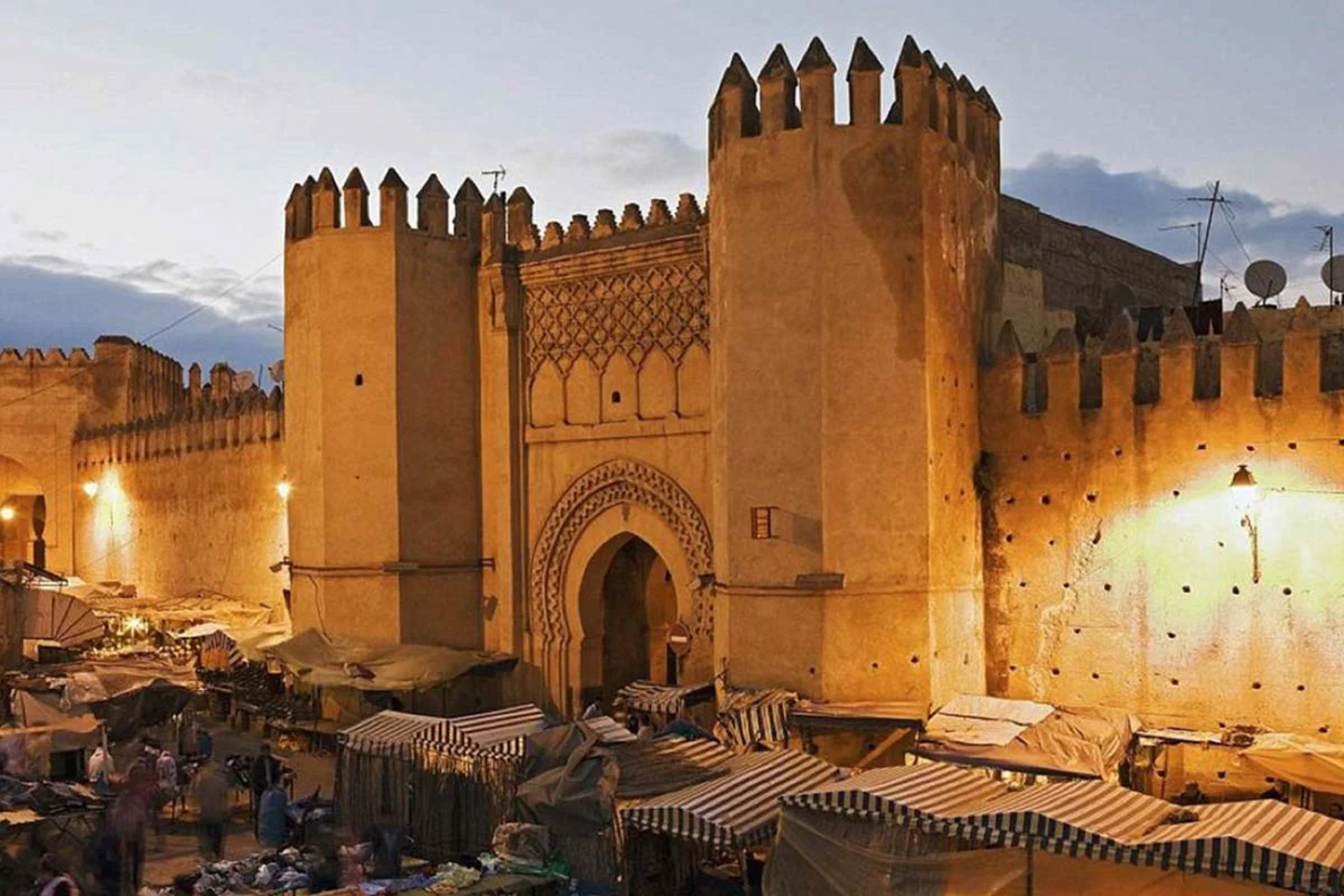
Bab Chorfa, the gate and entrance of the kasbah from Place Bou Jeloud, Fès
End of tour and departures.
Stefano Doglio
Stefano Doglio from Greentours has recently moved to Rome from Piemonte (northwest Italy), but his wildlife interest and his work have him busy on both shores of the Mediterranean. His many current projects include surveys on Sardinian Brook Salamanders, Common Frogs in the Alps, amphibian reproductive sites along the Po River, and work on Erebia christi. His most ambitious project – a biodiversity survey for the Italy-based Museum of Prehistoric Art to set up a new National Park in Morocco’s Anti-Atlas. Stefano speaks perfect English as well as fluent French and of course Italian. He will not only provide plenty of local wildlife knowledge on our tour to Morocco but will also enjoy giving a historical perspective to the places we visit.
Bernard Dogimont, Plantsman
Following his horticulture degree, Bernard became a trainee at the Arboretum Kalmthout, where he was privileged to meet Robert and Jelena de Belder. He then worked in Michigan for two years as a head gardener, followed by four years in a private garden in Belgium, whereupon he undertook a trainee course for a few weeks at Le Vasterival under the supervision of Princess Sturdza. He then worked in Saint Tropez, the UK, Montenegro, and Morocco. His last big project was the two gardens of Umberto Pasti in Morocco, which are now open to the public following the planting of an extensive collection of plants from around the world. The two places enjoy completely different climates, even though they are only 45 minutes away from each other.
Nick Macer
For the last thirty years, Nick Macer has run the highly regarded Pan Global Plants Ltd, a specialist nursery in Gloucestershire, UK, supplying correctly named rarities to the UK’s most well-known gardens and plant collectors, and beyond. He has travelled the temperate world extensively during that time, studying plants in their native habitats in over 25 countries/territories, some many times.
| Location | Atlas Mountains of Morocco |
| Tour dates, arrival | Tuesday 23 March 2027 |
| Tour dates, departure | Wednesday 31 March 2027 |
| Tour organiser | Greentours |
| Tour coordinator | Marie-Christine de Laubarède |
| Tour botanists | Stefano Doglio, Greentours |
| Availability | The tour is restricted to 25 participants |
| Accessibility | Walking difficulty: 2–3 |
| Tour costs | £3,160 per person (based on two people sharing) A deposit of £600 per person will be payable by 15 July 2026. |
| What’s included | All meals, accommodation, local transport in 4x4s, guides/botanists, entry fees, tips and wine with meals. |
| What’s not included | International flights, additional alcoholic drinks, minibars, laundry, and travel insurance. |