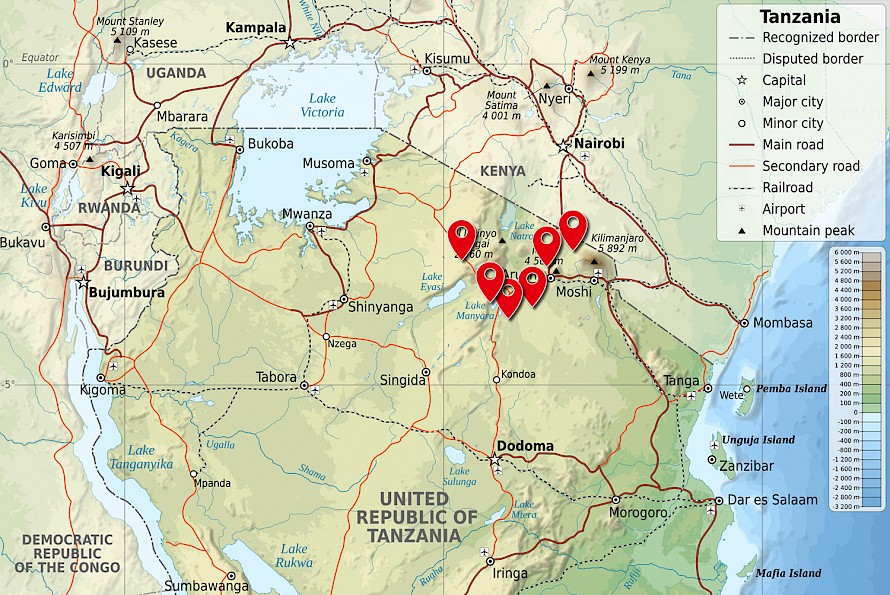
| Dates | 21 June to 4 July 2027 |
| Location | Northern Tanzania |
| Tour Organiser | Marie-Christine de Laubarède |
| Botanists | Dr John Grimshaw |
| Difficulty rating | The walking difficulty will range between levels 3 and 4. Level 3 (mix of easy and moderate walks of up to 4 km including some steep sections and occasional uneven ground); and Level 4 (mix of easy, moderate and longer walks ca. 4 km to 10 km including some lengthy steep sections and occasional uneven ground). |
| Max no. participants | 20 |
| Tour status (July 2026) | The tour is now full, with a waiting list |
Send to: Marie-Christine de Laubarède
Send to: Marie-Christine de Laubarède
Send to: Marie-Christine de Laubarède
Join us for a fascinating tour exploring the wide range of habitats and tree species of Northern Tanzania, from arid bushlands to its cooler alpine regions
INTRODUCTION
This tour will take in a wide range of habitats and tree species, from hot dry bush to alpine conditions, giving a comprehensive view of Tanzanian vegetation and some of its wildlife, while also providing unique opportunities to meet local people and experience local culture. It has been planned to make it possible to do as much walking as possible, enabling close meetings with the vegetation, but in some places where there is dangerous wildlife it will be necessary to remain in the cars. The focus is of course on plants, but we will see an abundance of wildlife from dung beetles to African elephants, and a huge diversity of birds.
The tour will be in late June, following the rainy season, while temperatures are pleasant (mid-20s), vegetation is still green, and dust is not too bad.
Hotels (lodges) are mostly of unexpectedly excellent quality, with great locally produced food, and most have beautiful gardens and surroundings. The lodges will prepare lunchboxes for when needed, but there will be some sit-down lunches. The tour has been planned to minimise changes of accommodation; laundry services are offered by most lodges. Clothing should be robust and not too precious.
Transport will be in comfortable safari-adapted Landcruisers, with RA Safaris providing all services. Most travelling will be done on tarmac, but some stretches (including within all protected areas) will be on dirt roads, which can be bumpy. The driver-guides are usually founts of knowledge, extremely sharp-eyed and very helpful. There are decent lavatories at many places in the protected areas, and elsewhere there is usually a bush.
Bottled water is provided in the cars and bottled/or boiled and filtered water at the lodges. Alcoholic drinks are freely available at reasonable prices: they are not included in the tour price. Cars will have a dongle for internet access, and WiFi is usually excellent at the lodges, though often only in the main lounge area.
Participants should be able to walk 5–10 miles comfortably, and be prepared for some short steep ascents and descents. One day will be spent at moderately high altitude (3,350–3,700 m / 11–12,000 ft) with quite a strenuous walk. In general, northern Tanzania is a healthy place, especially if basic precautions are taken. Malaria is present: lodges will have mosquito netting around the beds, though we will mostly be at higher altitudes (above 1,500 m) where the risk is slight. It will be wise to ensure that all ‘jabs’ are up to date and medical advice should be sought on this. The medical entry requirements for Tanzania should also be checked: some travellers may need to produce a Yellow Fever Certificate. If anything does go amiss there are many excellent pharmacies with efficient diagnostic services and over-the-counter medication available. Membership of the Flying Doctors service is included in the price of the tour. There are good hospitals in Arusha and Nairobi.
The tour will start and finish in Arusha, the safari capital of northern Tanzania. It is served by flights to Kilimanjaro International Airport (JRO) located about 35 km to the east. There are daily flights by KLM (evening arrival), Qatar Airways, Air France, Turkish and Ethiopian Airlines, plus internal East African connections from major regional cities. A visa is needed for entry to Tanzania, available in advance (recommended) from High Commissions/Embassies, or on arrival if you enjoy a scrum. The tour price includes transfers to and from Kilimanjaro Airport to the hotel.
No pre- or post-tours are planned, but extra days, or a visit to Zanzibar or a Kilimanjaro/Mt Meru climb can be arranged.
Our Tour Botanist
Well-known botanist and dendrologist Dr John Grimshaw, editor of IDS Trees and Shrubs Online has kindly agreed to lead this, the IDS’s first tour to Tanzania – a country he knows very well having worked there for many years, writing his doctoral thesis on the vegetation of Mt. Kilimanjaro.
Fly to Kilimanjaro International Airport (from Europe there is very little jet lag).
The tour starts as we assemble at Ngare Sero Mountain Lodge, set in beautiful wooded grounds at the foot of Mt Meru.
Overnight: Ngare Sero Mountain Lodge
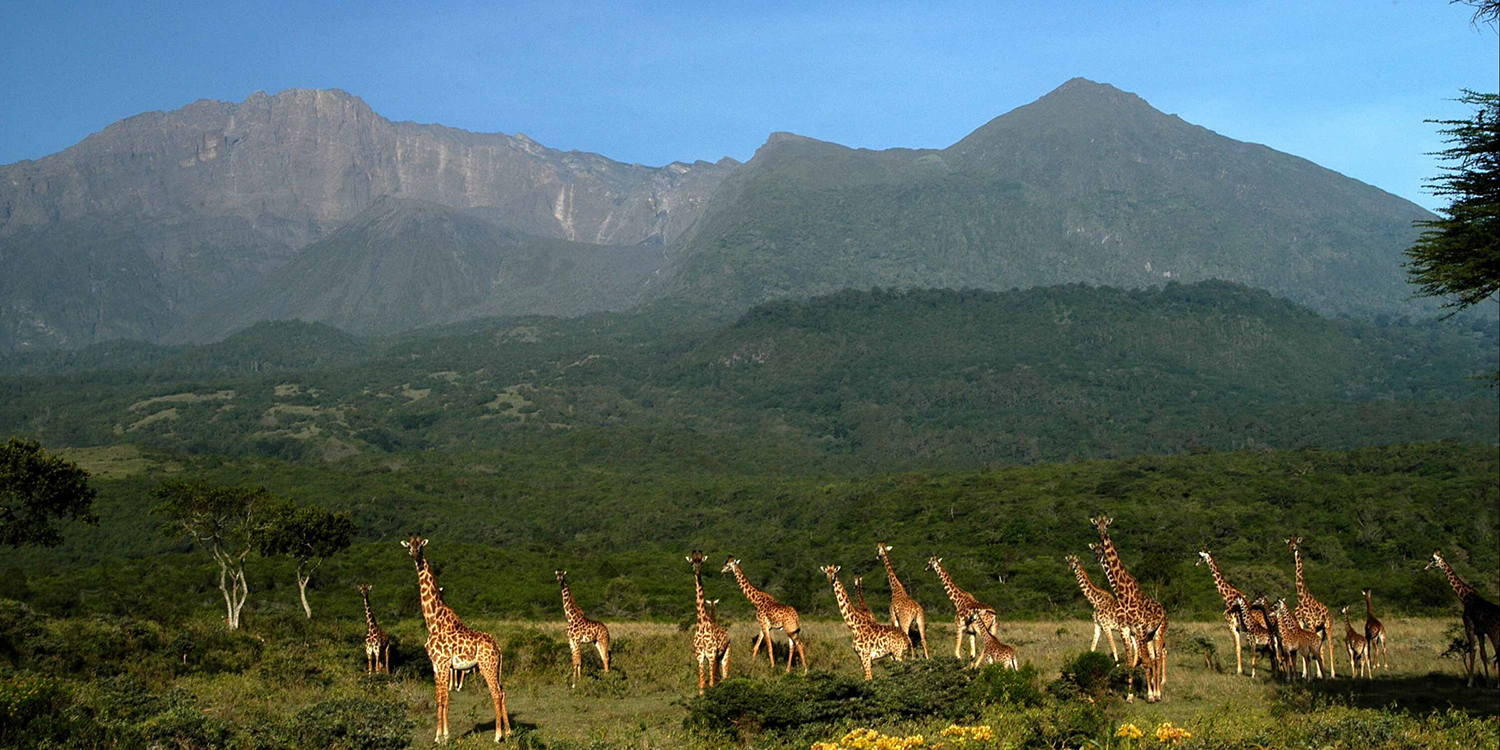
Mount Meru from Arusha National Park
Arusha town
Explore Arusha town as a gentle introduction to Tanzania: there are interesting trees in the centre and around the museum, plus many small roadside nurseries growing a huge range of plants, which are fascinating.
Overnight: Ngare Sero Mountain Lodge
Arusha National Park
Driving into the montane forest of Mt Meru, fifth highest mountain in Africa, to see a diversity of Afromontane trees including Podocarpus, Juniperus procera and a fig tree arch, plus many more, and very pretty ground flora. We will probably see blue and colobus monkeys, and possibly other animals including African buffalo.
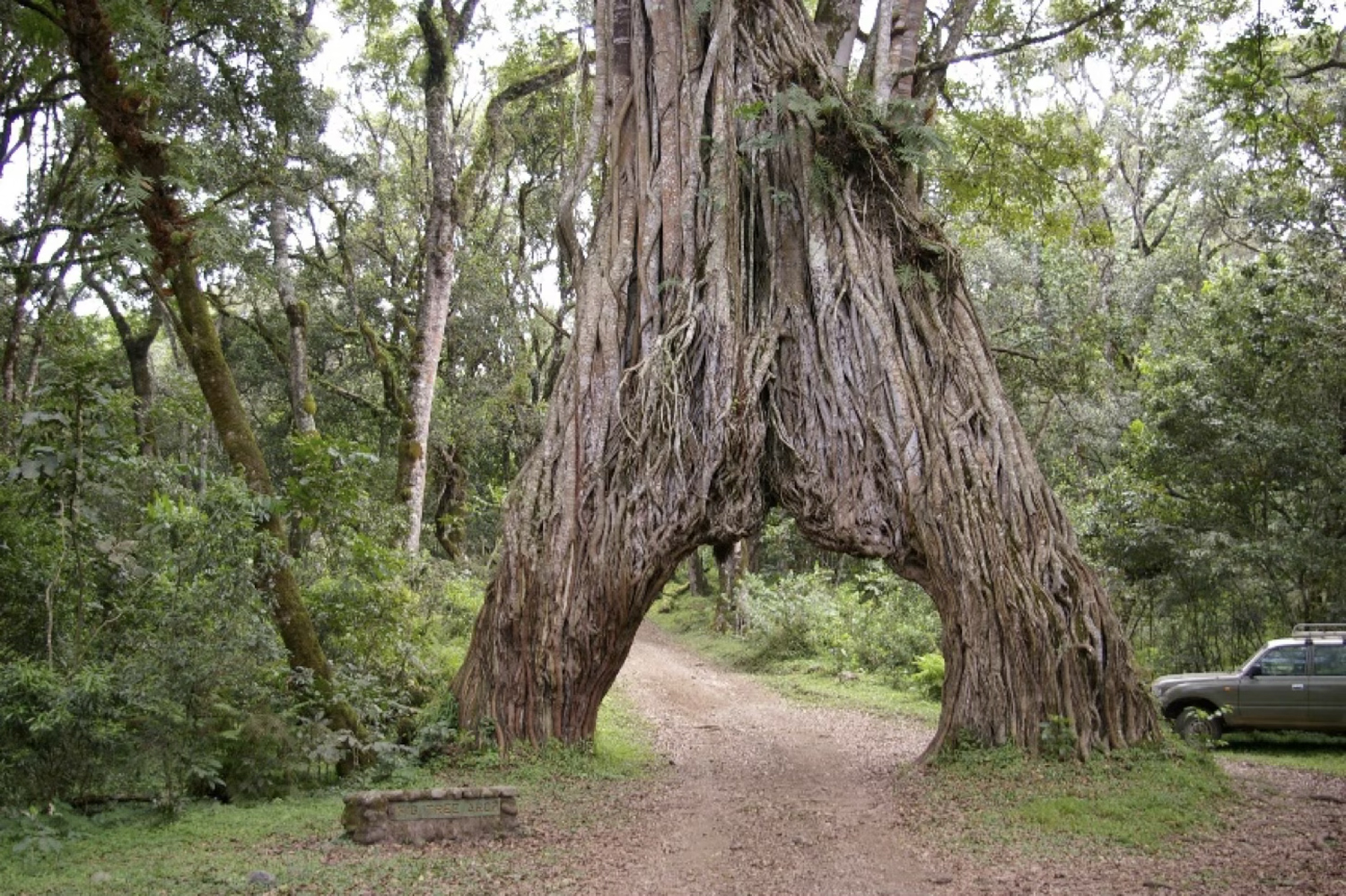
Fig tree arch
We will be walking with an armed ranger on the forest road above and below the fig tree arch. In the afternoon we will drive across the plain to West Kilimanjaro and stay at Simba Farm Lodge on the western flank of Kilimanjaro
Overnight: Simba Farm Lodge
Drive to Lerang’wa
We will drive around the northwest corner of Kilimanjaro, with spectacular views across the plains and mountains of Maasailand in both Tanzania and Kenya, to Lerang’wa village where we will have a traditional Maasai welcome, visiting the primary school and some family homesteads.
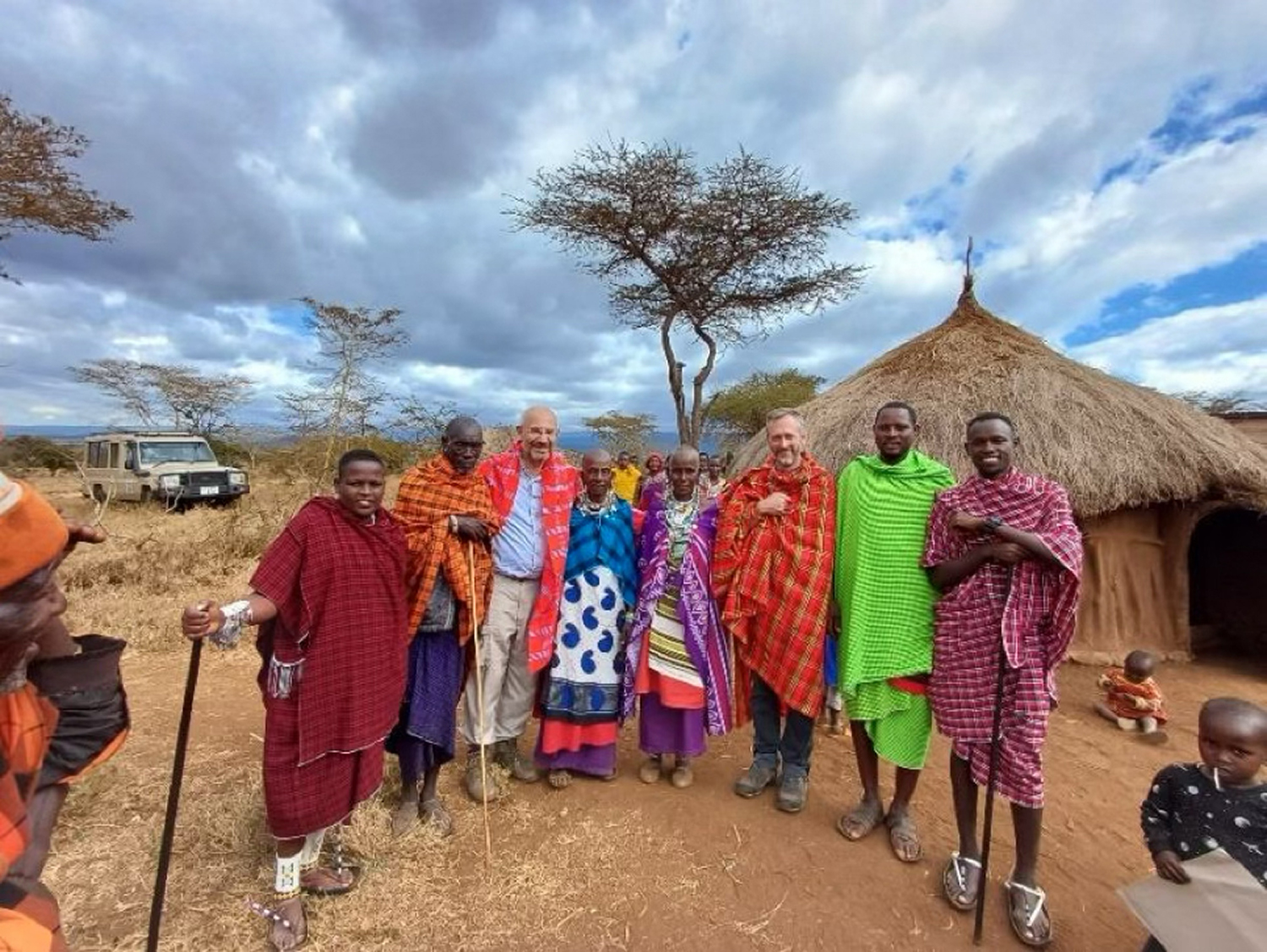
Maasai welcome, Lerang’Wa village
We will then walk with Maasai guides through acacia savanna below the village, just south of the Kenya border. Although dominated by acacias there is a diverse woody flora and probably many attractive herbaceous plants. We will almost certainly see giraffes and possibly other large plains mammals.
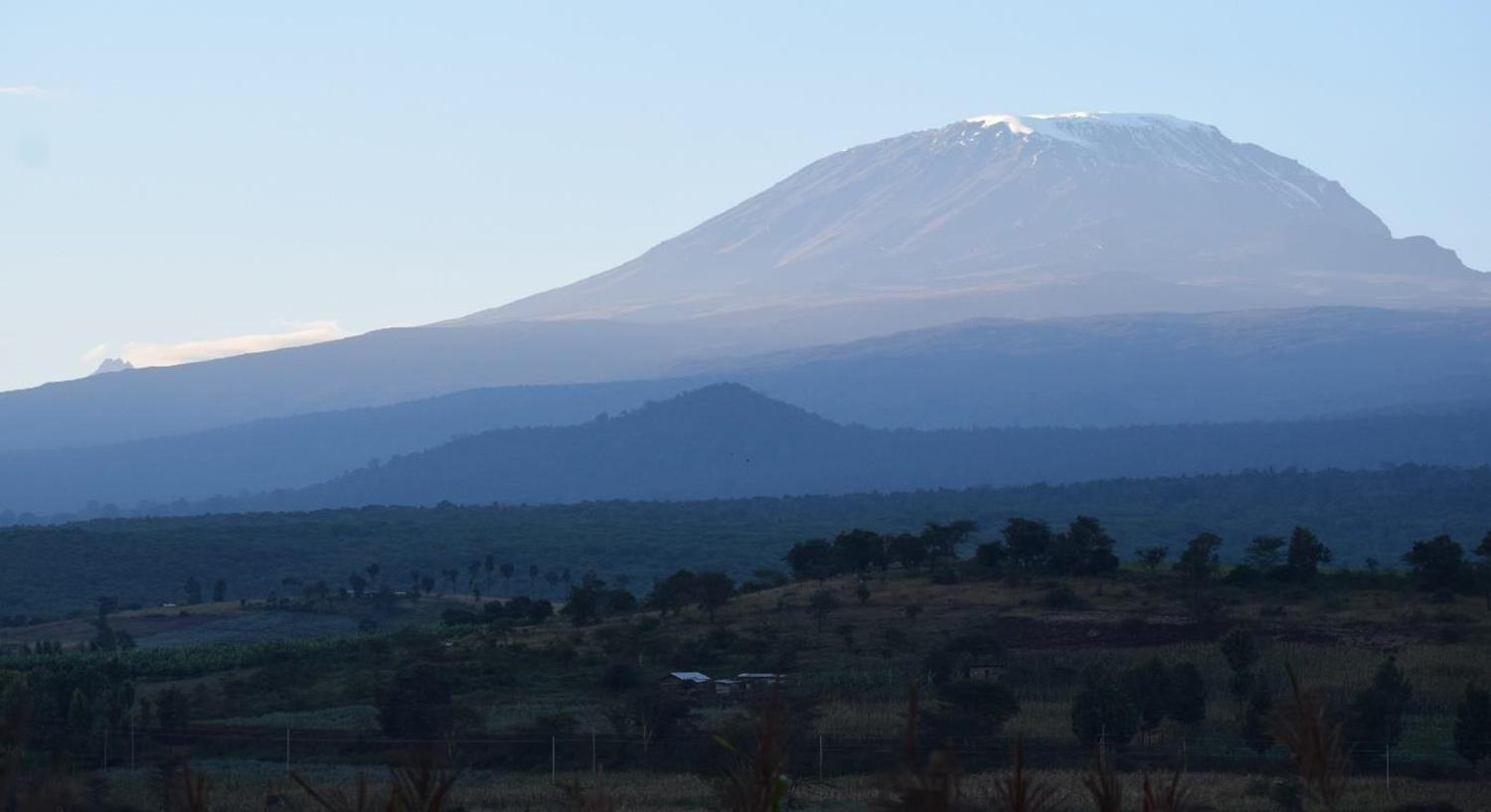
Kilimanjaro from Lerang’wa village
We will have lunch at the Kilimanjaro Resource Center below Lerang’wa village and then return to Simba Farm Lodge.
Overnight: Simba Farm Lodge
Walk up Lekumishira Hill
Return to Lerang’wa for a stiff but rewarding walk up Lekumishira Hill, a volcanic cone with a crater reaching c. 2000 m asl, a very rich botanical hotspot and culturally important for the local Maasai. Afterwards visit the Kitenden Migration Corridor, protected for 35 years and now a richly regenerating strip of woodland/forest/scrub (pic below): the only remaining bit of natural vegetation joining an African mountain to the surrounding plain. Return to Simba Farm Lodge.

Regenerating vegetation in the Kitenden Migration Corridor
Overnight: Simba Farm Lodge
Drive to the Shira Plateau
From Simba Farm we will drive to the edge of the Shira Plateau (3,600 m) on the western side of Kilimanjaro: it is the oldest part of the mountain.
We pass through an area of conifer plantations to the National Park Londorosi Gate, and then drive up through Afromontane forest containing huge Juniperus procera and Podocarpus milanjianus. Above this is the transition zone of thick scrub and trees such as Hagenia abyssinica before a zone of diverse shrubs including Protea, Hypericum and tall Erica and many attractive herbaceous plants.
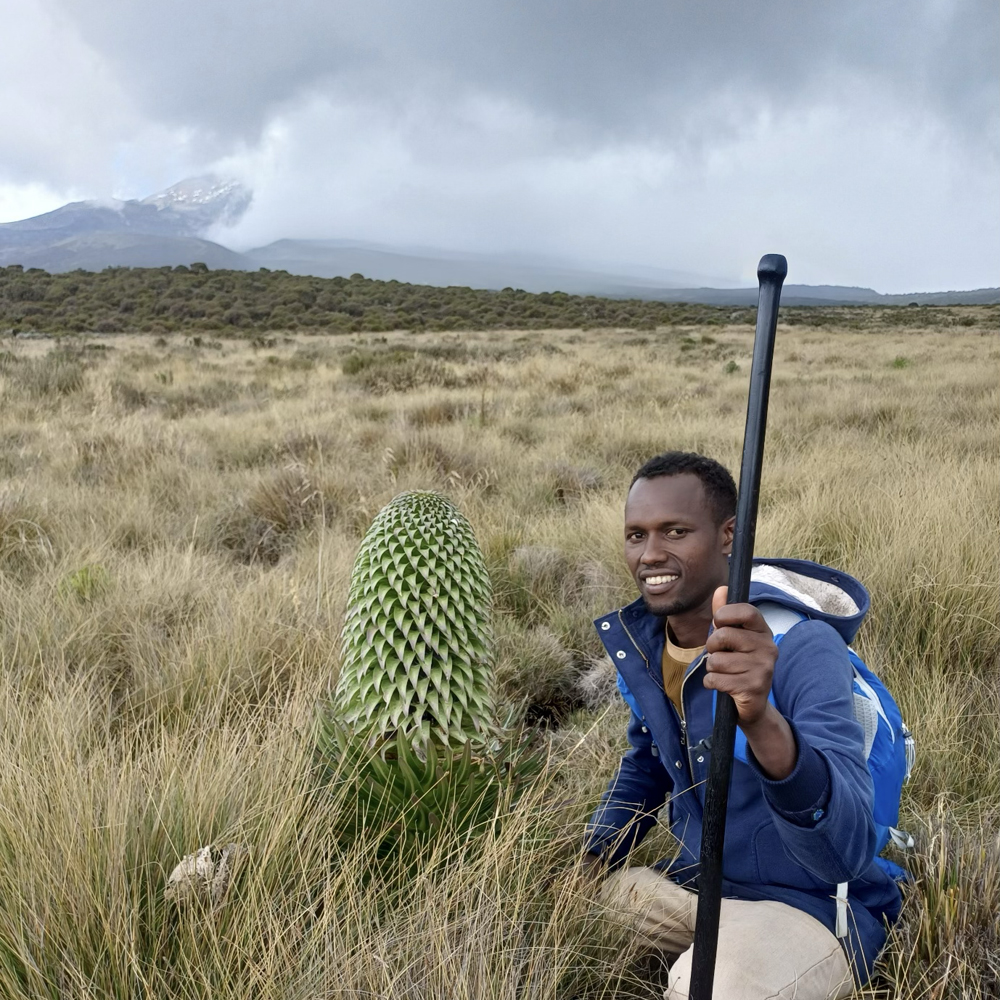
Lobelia deckenii on the Shira Plateau, with Maasai guide Kimani, who will accompany the tour
The roadhead is at c. 3,400 m at the edge of the alpine zone. From here there is a long walk over the plateau, very gently rising to 3,700 m, through alpine Erica scrub and Helichrysum moorland. The aim is to get to the wetter southern side of the plateau to see the endemic giant Lobelia deckenii and giant groundsel Dendrosenecio kilimanjari subsp. cottonii. It’s arduous but worthwhile, with spectacular views of the main peak Kibo if the weather is clear. It is not suitable for anyone who cannot do a strenuous 10 mile walk, or has cardiovascular issues. Altitude sickness is a moderate risk.
Return in the evening to Ngare Sero Mountain Lodge.

Dendrosenecio kilimanjari © Christoph Strässler CC BY SA 2.0
Overnight: Ngare Sero Mountain Lodge
Arusha to Tarangire National Park
Drive from Arusha to Tarangire National Park (tarmac to the park gate) to see classic African dry bush/savanna vegetation including many baobabs, sausage trees (Kigelia), Acacia tortilis – any of which might hold a leopard. High densities of large mammals, especially elephants.
We will stay at the excellent Tarangire Safari Lodge with a fantastic terrace overlooking the river below. Instagram users should follow its proprietor Brenden Simonson @brenden_simonson and the lodge @tarangiresafarilodge
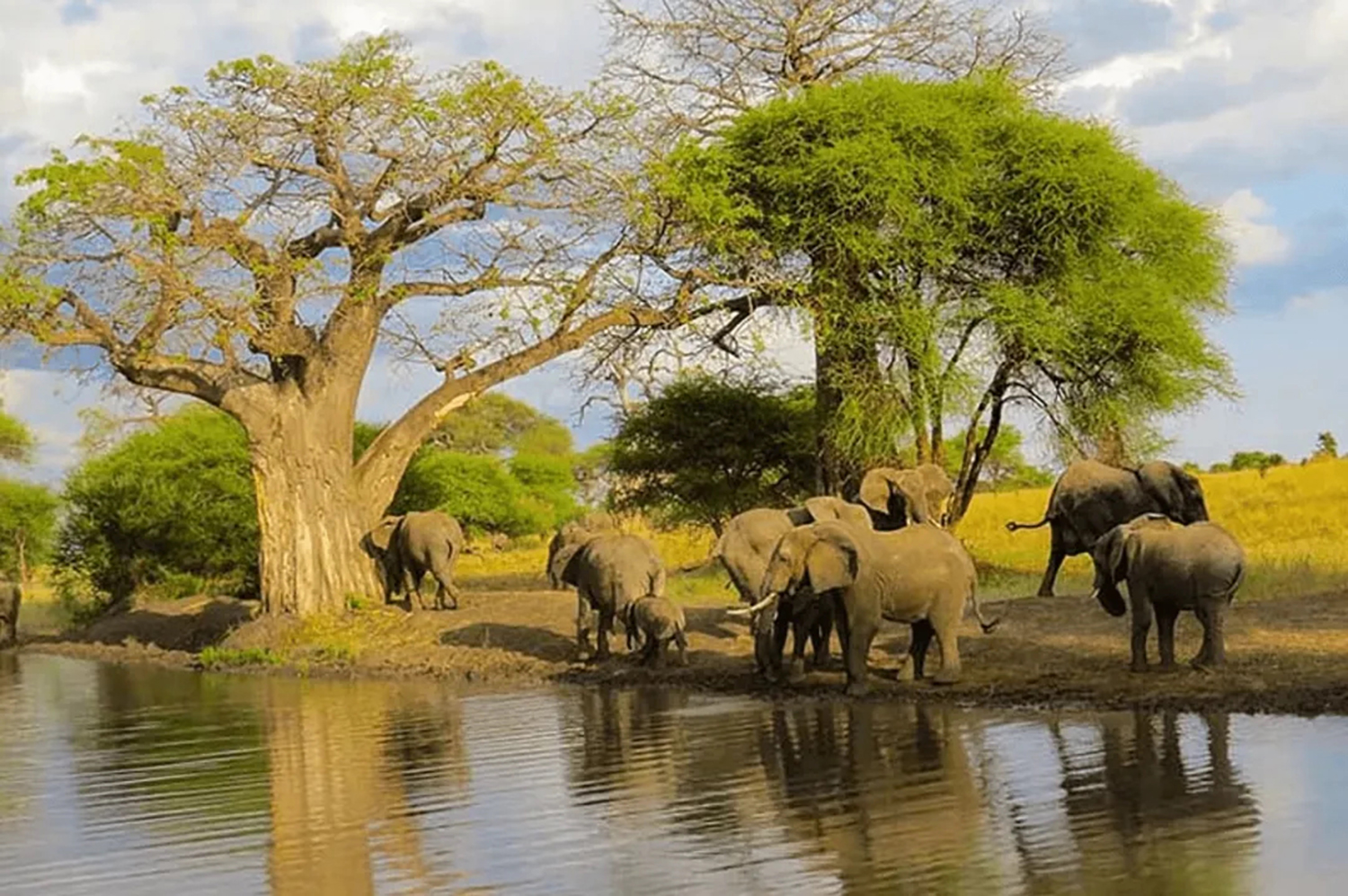
Tarangire National Park
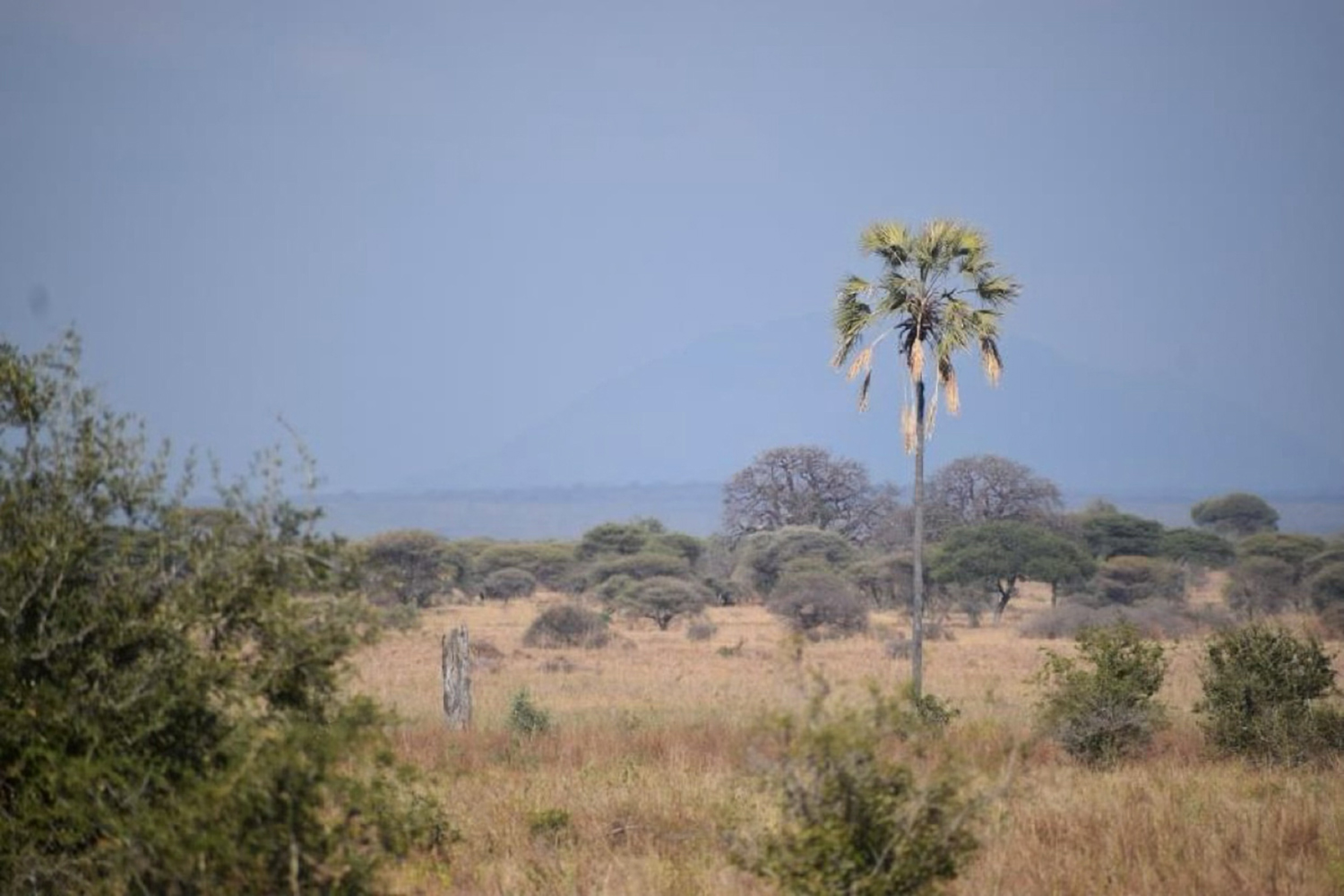
Savanna vegetation with palms and baobabs, Tarangire National Park
Overnight: Tarangire Safari Lodge
Tarangire
Explore Tarangire with Brenden Simonson, including a walk to see baobabs etc. on foot.
Overnight: Tarangire Safari Lodge
Lake Manyara National Park
We will drive from Tarangire across the floor of the Rift Valley to the southern end of Lale Manyara National Park at the foot of the Rift escarpment to see the remarkable groundwater forest that thrives in the heat of this low elevation (c. 1,050 m), as well as lacustrine, vegetation.
Emerging at Mto-wa-mbu (river of mosquitoes) at the north end of the park we will purchase the local speciality of red bananas before ascending the Rift Wall to the highlands, staying at Farm House Valley.

Groundwater forest in Lake Manyara National Park, with the Great Rift Wall
Overnight: Farm House Valley
Gibb’s Farm, Karatu
Visit the gardens of Gibb’s Farm at Karatu, the finest I’ve seen in Africa north of Kirstenbosch; ornamental gardens surround the lodge and there is a very impressive large organic productive garden supplying the kitchen.

The lush ornamental and productive garden at Gibb’s Farm, the best garden in East Africa
We will walk from there into the Northern Highlands Forest Reserve to see a different type of Afromontane forest and visit caves dug by elephants in search of minerals.
Lunch will be at Gibb’s Farm.
Overnight: Farm House Valley
Crater Highlands
Drive to the Ngorongoro Conservation Area and through forest to the crater viewpoint, before driving along its eastern rim into the north end of the Ngorongoro Highlands seeing high altitude grassland and forest edge habitats with interesting plants.
Our destination is the bijou Empakaai Crater, with a flamingo-occupied lake at its centre. We will walk down (and up!) its steep sides through forest. We then travel back to the southern rim of Ngorongoro Crater, where we will stay at the Ngorongoro Serena Safari Lodge.
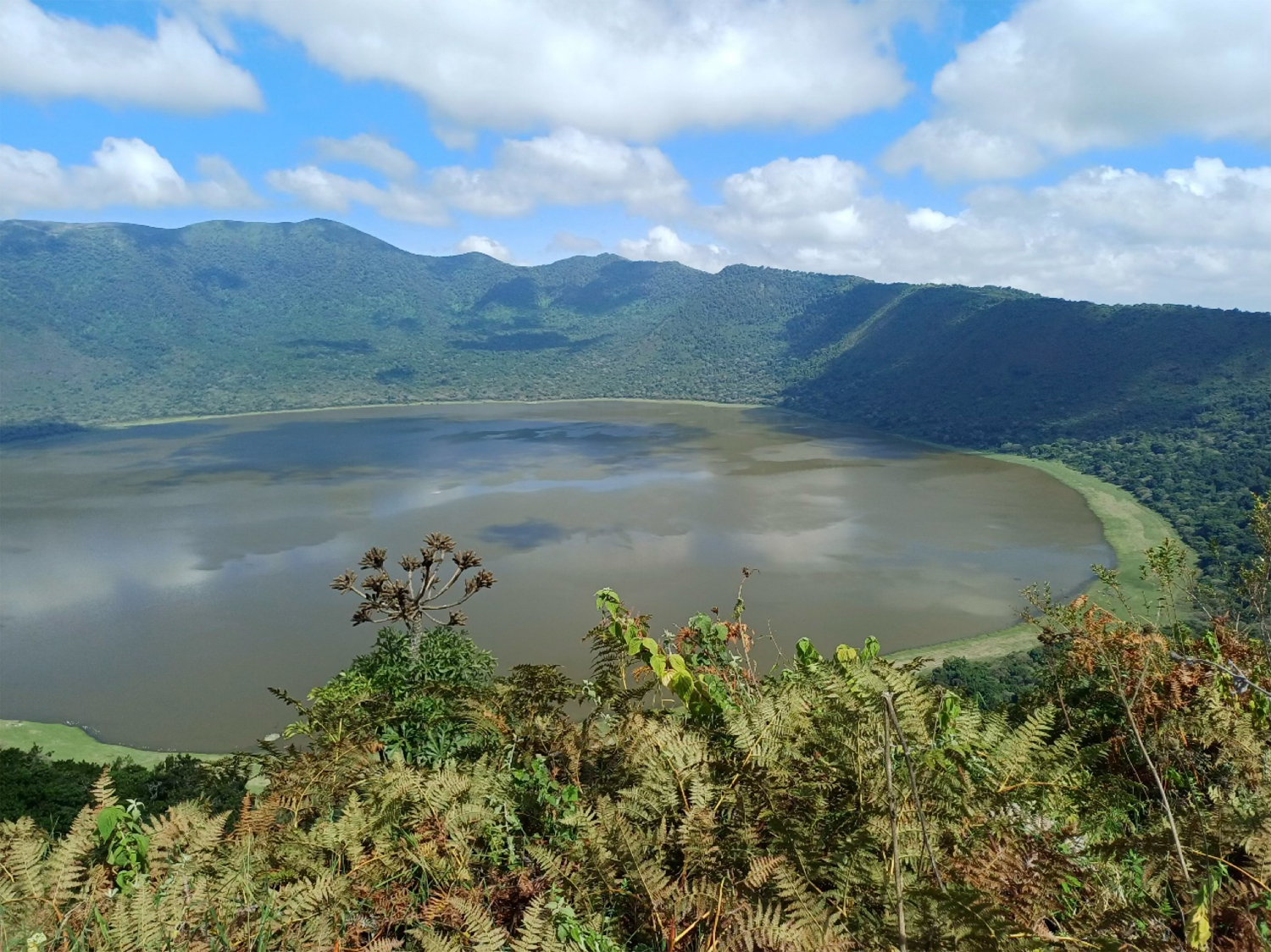
Empakaai Crater
Overnight: Ngorongoro Serena Safari Lodge
Ngorongoro Crater
Drive to the west side of the crater and descend for a day of wildlife viewing in the ‘eighth wonder of the world’ though we will also enjoy forests of Yellow-barked fever tree (Vachellia (Acacia) xanthophloea).
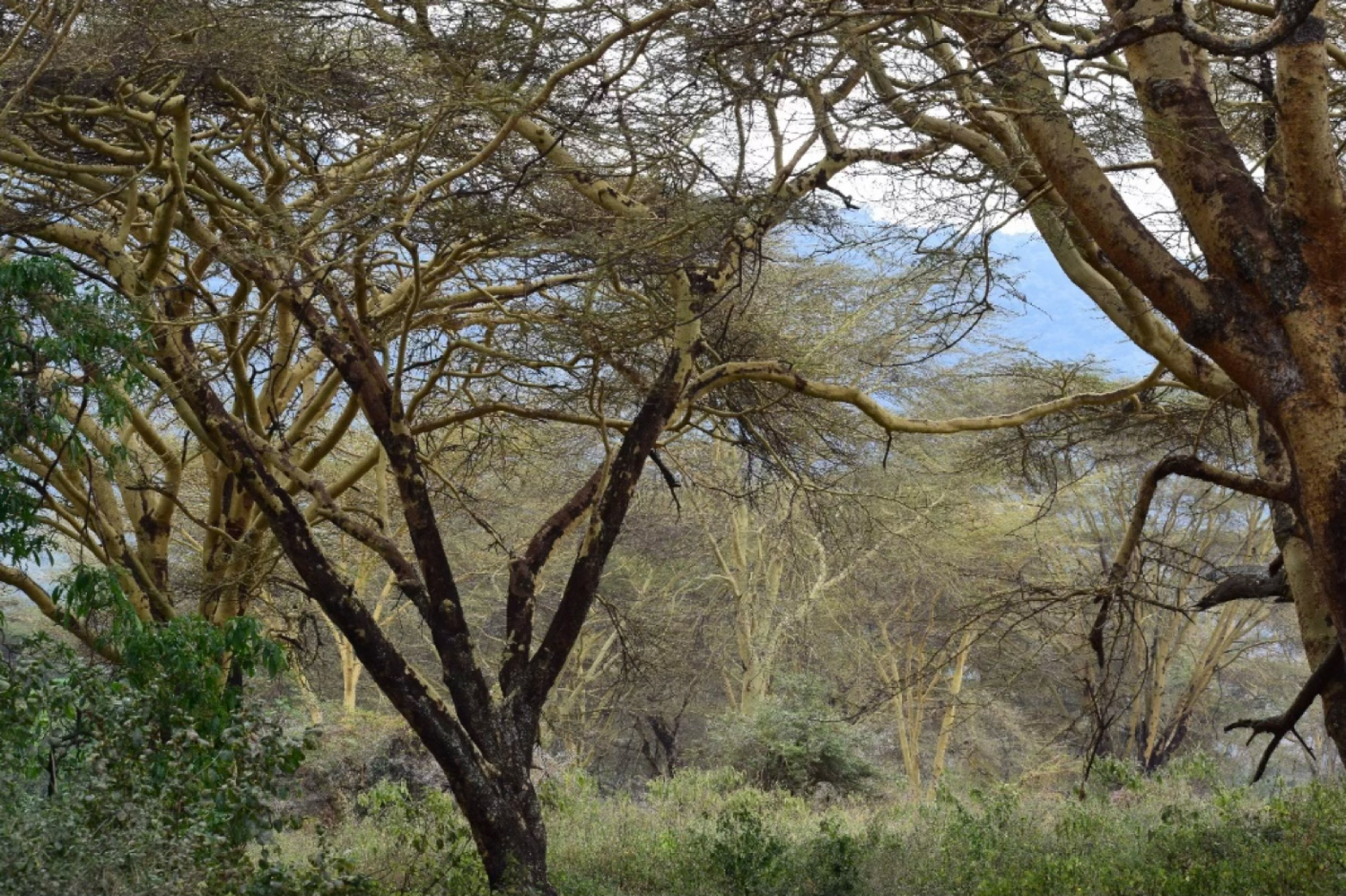
Vachellia xanthophloea forest, Ngorongoro
In late afternoon we will ascend the southern side of the rim, glimpsing wild bananas (Ensete) and huge Euphorbia trees, returning to the Ngorongoro Serena Safari Lodge.
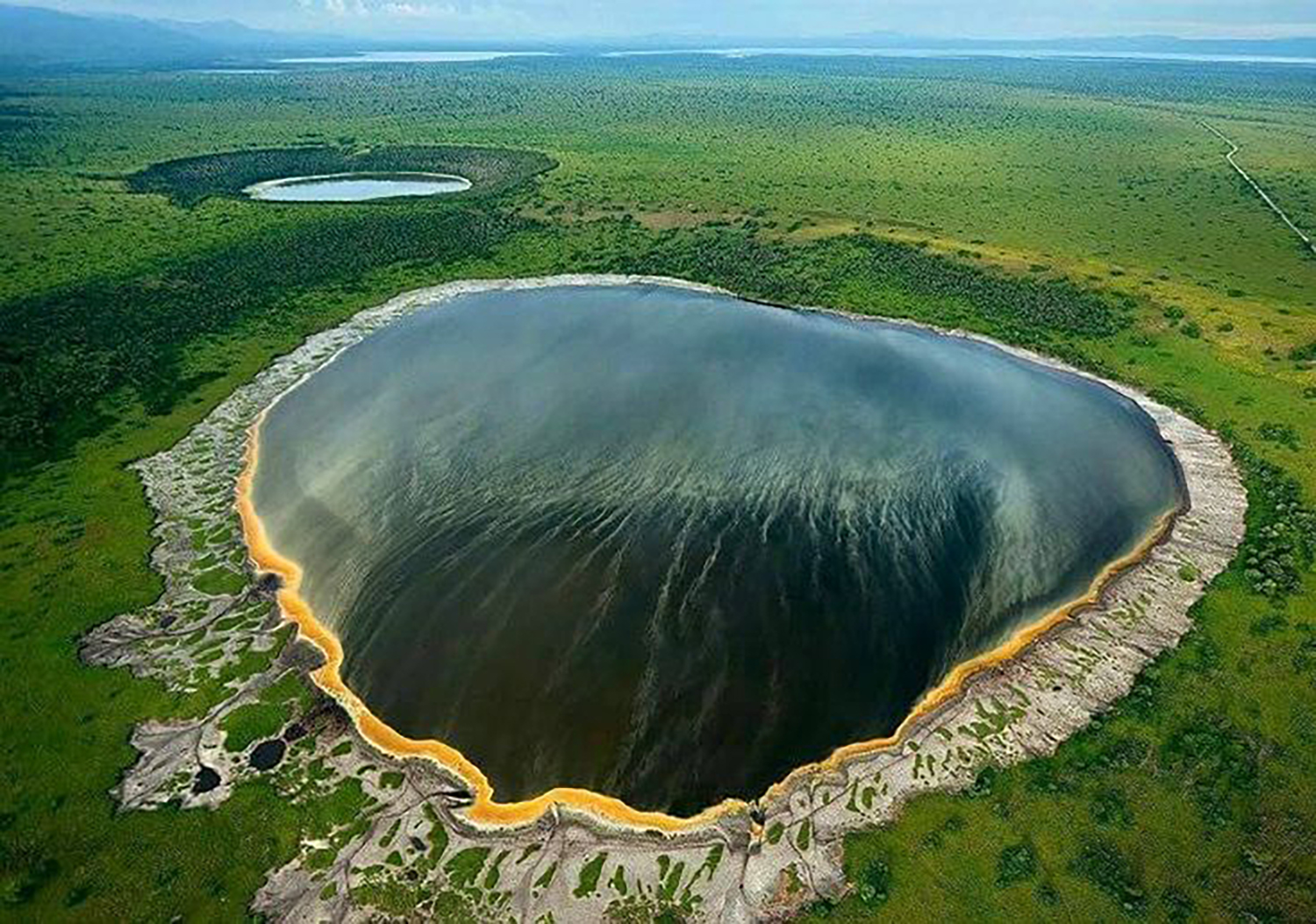
Ngorongoro Crater © National Geographic / Joel Sartore
Overnight: Ngorongoro Serena Safari Lodge
Oldupai (Olduvai) Gorge
In the morning we will drop off the western edge of the Ngorongoro Highlands into the dry bush in their rain shadow, which transitions to the edge of the Serengeti plains. The furthest west point we reach will be Oldupai (Olduvai) Gorge, where early hominin fossils were found by the Leakeys.
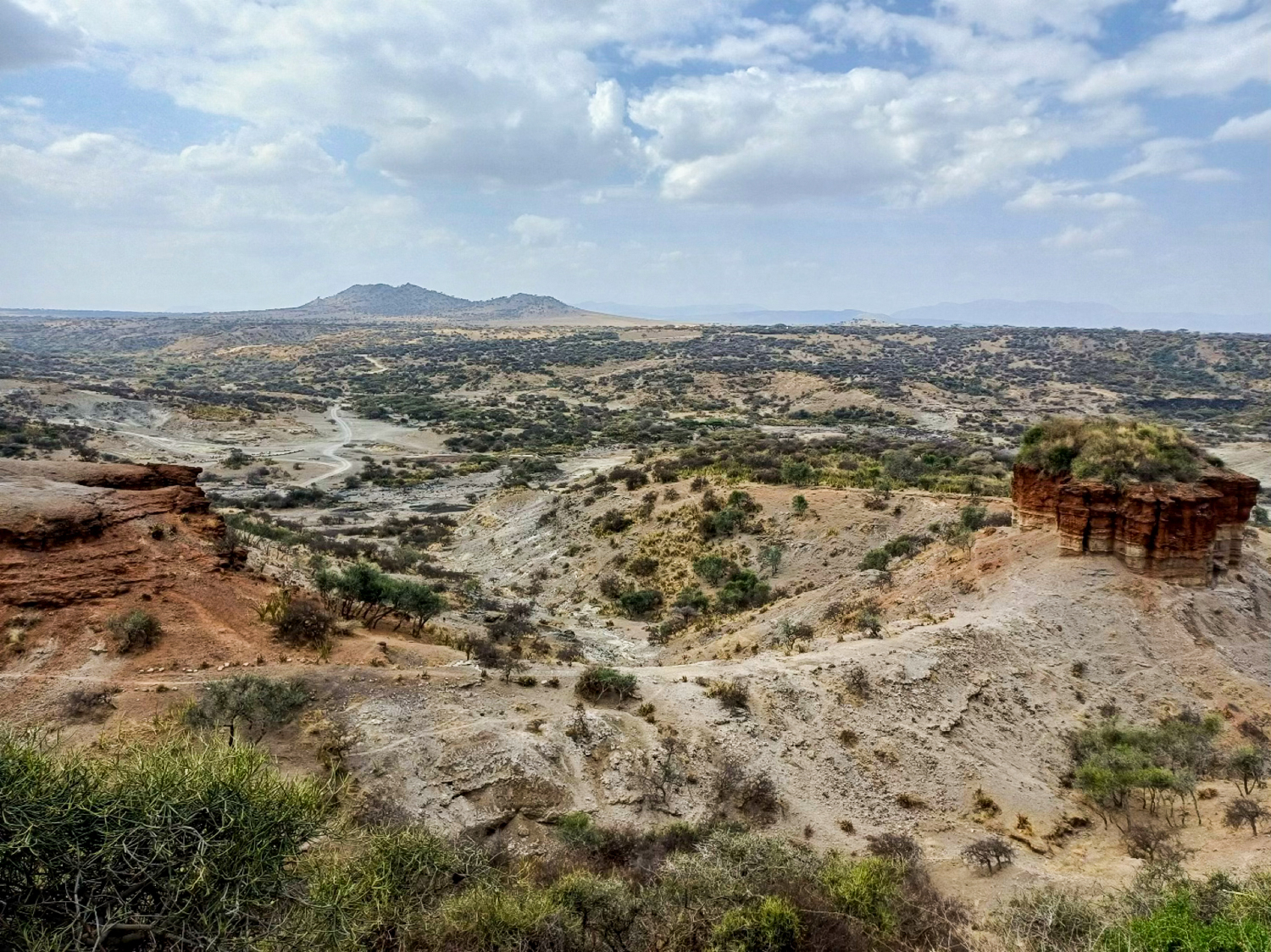
Oldupai (Olduvai) Gorge
Here dry bush vegetation is dominated by Commiphora and Sansevieria. There is an interesting museum. From Oldupai we will return all the way to Ngare Sero Mountain Lodge.
Overnight: Ngorongoro Serena Safari Lodge
Tanzania Sansevieria Foundation – Lake Duluti
Visit the Tanzania Sansevieria Foundation project on the slope of Mt Meru, run by IDS member Barry Yinger, where an extraordinary diversity of these surprisingly interesting plants are cultivated. Many new species have been identified by the team.
This will be followed by lunch and a forest walk at Lake Duluti nearby, before the tour finishes and breaks up (timed for departure on the KLM flight that evening, but see note above about extending your stay and travel options).
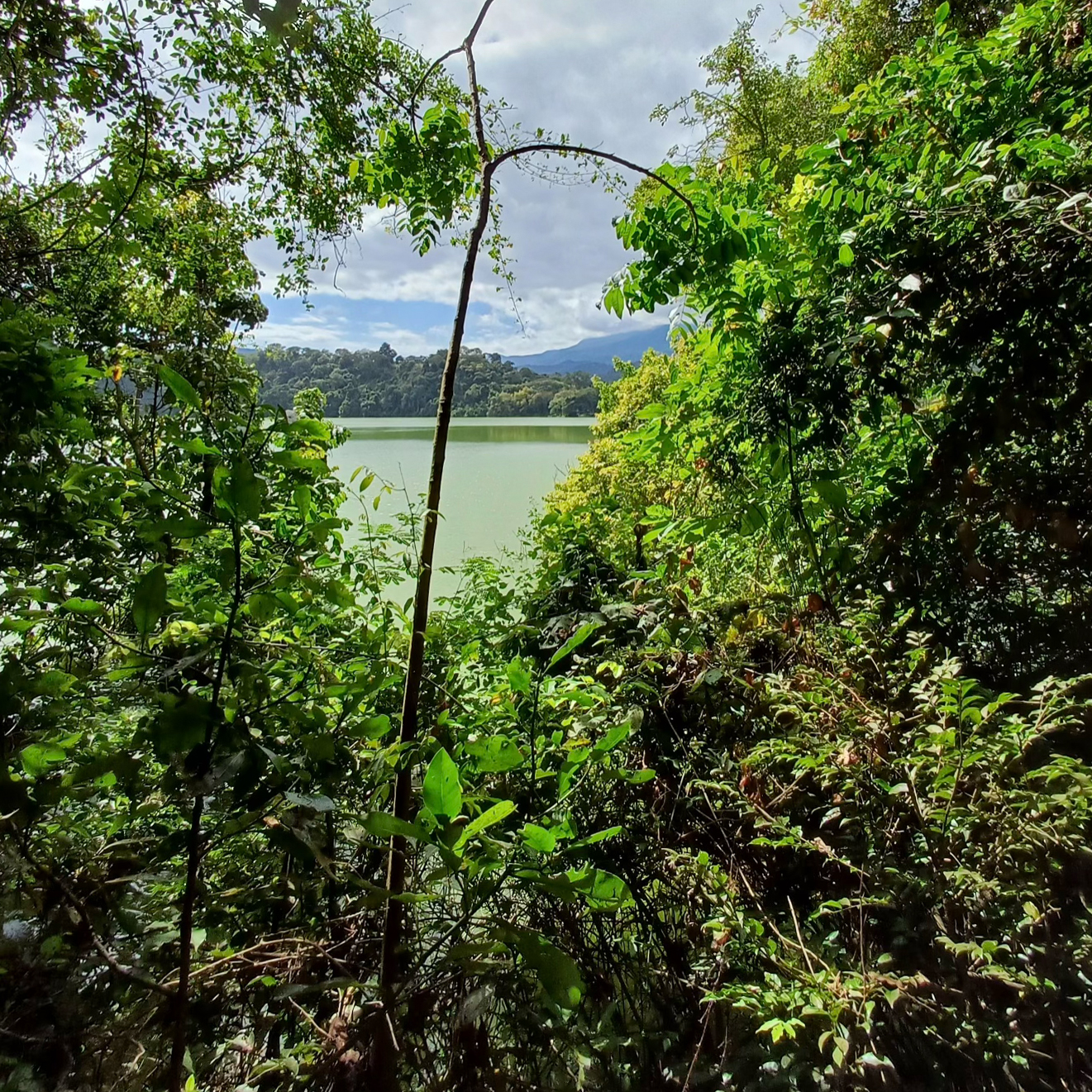
Lake Duluti
Evening or overnight flight departures
| Location | Northern Tanzania |
| Tour dates, arrival | Monday 21 June 2027 |
| Tour dates, departure | Sunday 4 July 2027 |
| Tour organiser | Marie-Christine de Laubarède |
| Tour botanist | Dr John Grimshaw |
| Accommodation | Excellent quality (lodges), with great locally produced food |
| Transport | Comfortable safari-adapted Land Cruisers |
| Availability | Tour restricted to 20 participants |
| Tour costs | US $7,140 per person (based on two people sharing) A deposit of US $2,145 per person will be payable by 15 April 2026. |
| Accessibility | The walking difficulty will range between levels 3 and 4. Level 3 (mix of easy and moderate walks of up to 4 km including some steep sections and occasional uneven ground); Level 4 (mix of easy, moderate and longer walks ca. 4 km to 10 km including some lengthy steep sections and occasional uneven ground). |